
Culture is expressed through language, traditions, clothing, music, architecture, and many other forms of creativity. Art is another powerful way communities share their history, beliefs, and identity with the world. In Pakistan and several other South Asian countries, decorated vehicles have become an important part of cultural expression. These colourful designs turn ordinary transportation into moving displays of creativity and traditional craftsmanship. 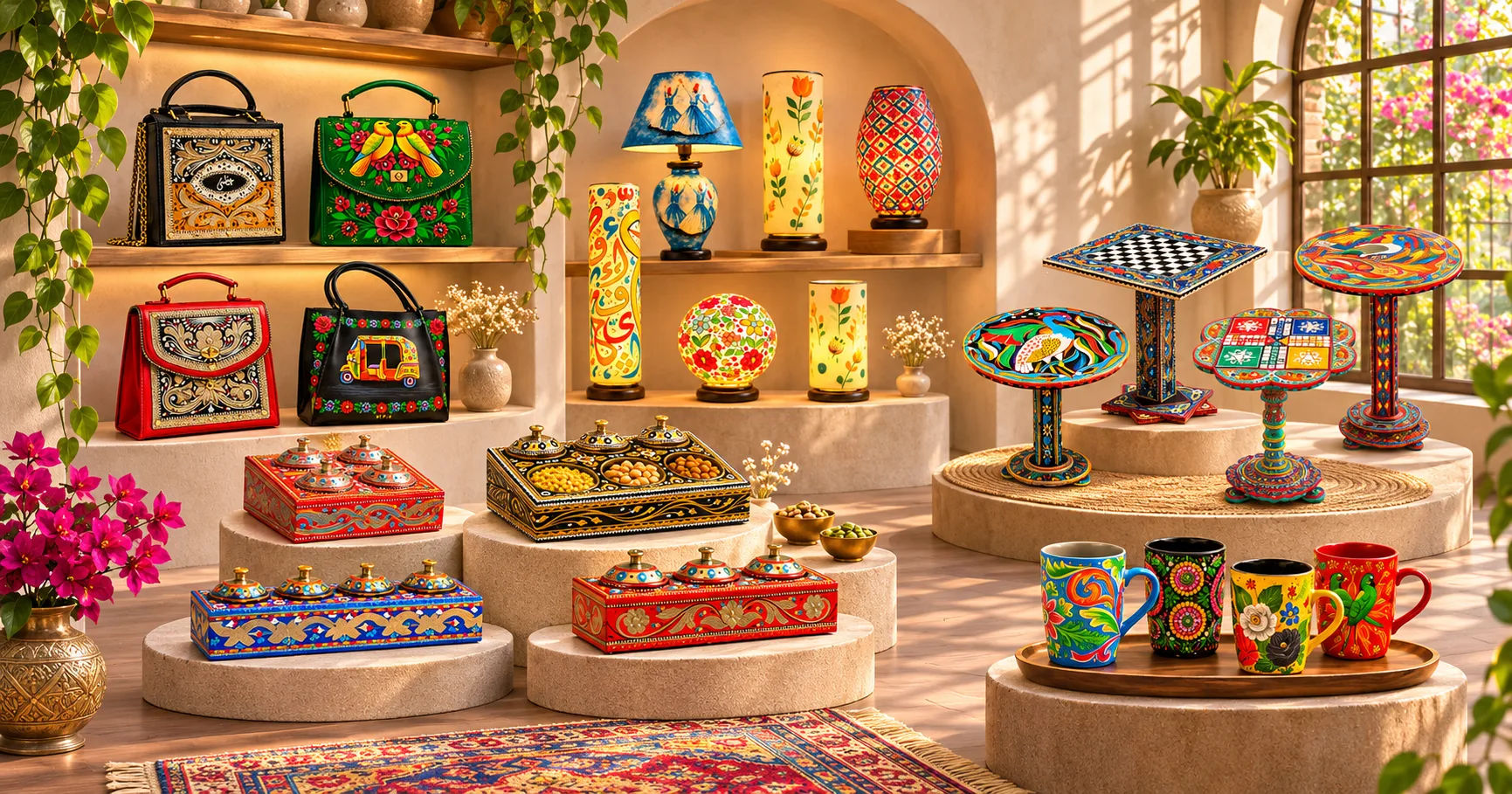 truck art is especially important because it represents local identity, artistic talent, cultural values, and the stories of everyday people.
This artistic tradition is more than decoration. It connects generations, supports local workers, celebrates regional heritage, and introduces traditional designs to international audiences. Every painted pattern, colourful flower, decorative mirror, and meaningful message can communicate something about the people and communities behind it. Understanding its cultural importance helps us appreciate how art can preserve traditions while adapting to modern society.
Cultural Meaning of Truck Art
Truck art decoration is a traditional creative practice in which vehicles are covered with colourful paintings, patterns, carvings, and decorative objects. Although the designs differ between regions, they often include flowers, birds, landscapes, famous personalities, religious expressions, and cultural symbols.
In Pakistan, this tradition is particularly popular. Large trucks travelling between cities frequently display detailed artwork that makes them easily recognizable. Their colourful appearance reflects the imagination and skills of local artists.
Unlike artwork displayed only in museums or galleries, these designs travel through villages, towns, highways, and major cities. This allows people from different backgrounds to experience traditional creativity in their everyday surroundings.
A Reflection of National Identity
Art can represent the identity of a country, and decorated vehicles are a recognizable example of Pakistani creativity. Their colourful appearance reflects the country's artistic traditions and cultural diversity.
Different regions have their own decorative styles. Artists use particular colours, patterns, materials, and symbols to represent their local backgrounds.
These differences create a visual connection between regional communities and national identity. People can recognize elements of their heritage through the designs displayed on vehicles.
For many Pakistanis, these decorations represent pride in their homeland. They demonstrate how traditional creativity can become an important part of a country's cultural image.
Representing Everyday Pakistani Life
Cultural traditions are not limited to historical buildings, famous monuments, or expensive artwork. They are also found in ordinary activities and objects.
Decorated trucks represent everyday Pakistani life because they are closely connected with transportation, trade, employment, and communication.
Their designs often show familiar subjects, including village scenery, mountains, animals, flowers, and everyday relationships. These images reflect the experiences and interests of ordinary people.
This connection makes the tradition meaningful because it gives visibility to the lives and creativity of communities that might otherwise receive little attention in formal art spaces.
Preserving Traditional Artistic Skills
One of the most important cultural contributions of vehicle decoration is its role in preserving traditional craftsmanship. Many designs require years of practice and experience.
Artists learn different techniques from experienced workers, family members, and professional workshops. Their knowledge includes painting, carving, metal decoration, woodwork, and the careful arrangement of colours.
Passing Skills Between Generations
Traditional artistic knowledge can disappear when younger generations stop learning older techniques. Vehicle decoration helps keep these skills active by creating opportunities for experienced artists to teach others.
Young workers may begin by learning simple painting techniques before developing the ability to create more complicated designs.
Over time, they gain knowledge about colour combinations, traditional patterns, decorative materials, and regional styles.
This exchange between generations keeps cultural knowledge alive. It also creates a sense of responsibility among young artists to protect the creative traditions they have inherited.
Protecting Handmade Craftsmanship
Modern technology has made digital printing and machine-produced decoration increasingly accessible. However, handmade work continues to have special cultural value.
Hand-painted designs often contain small differences that reflect the individual artist's imagination and experience.
A handmade flower, landscape, or decorative border may require patience and considerable attention to detail. These personal touches make each decorated vehicle different.
Protecting handmade craftsmanship ensures that traditional artistic methods remain part of contemporary cultural life.
Celebrating Regional Diversity
Pakistan contains many ethnic groups, languages, and regional traditions. Each community has its own cultural expressions, including clothing, music, architecture, embroidery, and decorative arts.
Vehicle decoration provides another way to celebrate this diversity.
Regional Colours and Patterns
Different regions are known for distinctive artistic influences. Artists may incorporate elements inspired by Sindhi embroidery, Balochi designs, Punjabi folk traditions, and other regional crafts.
Some vehicles feature colourful geometric arrangements, while others display detailed floral paintings and traditional landscapes.
The use of regional patterns gives decorated vehicles a strong connection to local identity.
These designs also encourage people to learn about the traditions of different communities. Someone travelling through another province may notice unfamiliar decorative styles and become interested in their cultural meanings.
Showing Cultural Unity
Although regional designs can be different, they contribute to a shared national artistic tradition.
People from different provinces can appreciate the same creative practice while recognizing their own cultural influences within it.
This balance between regional identity and national unity is important in a diverse country.
It demonstrates that cultural differences can become a source of creativity rather than separation.
Supporting Local Artists and Skilled Workers
Cultural traditions need economic support to survive. Artists require opportunities to earn money from their skills, purchase materials, and continue developing their work.
Vehicle decoration provides employment for many people who work in specialized workshops.
Creating Employment Opportunities
The industry involves different types of workers, including painters, carpenters, metalworkers, welders, and decorative craftsmen.
Each person contributes specific skills to the finished design.
Some workers focus on painting colourful pictures, while others create wooden structures, metal ornaments, or decorative lighting.
These activities provide income for individuals and support local businesses.
The economic value of this work is important because it gives traditional artists a reason to continue practising their skills.
Encouraging Small Businesses
Workshops that specialize in vehicle decoration often depend on local suppliers and skilled workers.
They purchase paint, wood, metal, mirrors, and other decorative materials from nearby businesses.
This creates economic connections between different occupations.
As interest in traditional designs grows, artists may also receive opportunities to create decorative items for homes, shops, exhibitions, and cultural events.
These additional opportunities can help protect traditional craftsmanship.
Communicating Stories Through Visual Art
Art is a form of communication that does not always require written words. Images, colours, and symbols can express emotions and cultural experiences.
Decorated vehicles demonstrate this ability by presenting stories through visual designs.
Nature and Landscape Paintings
Many vehicles display pictures of mountains, rivers, trees, flowers, birds, and other natural subjects.
These images reflect the importance of nature in local culture and everyday life.
Mountain scenery, for example, can represent regional beauty and pride. Flowers may communicate happiness, peace, and appreciation for natural surroundings.
Such designs make ordinary vehicles look like moving collections of personal and cultural memories.
Poetry, Messages, and Personal Expressions
Some vehicles include short poetic lines, popular sayings, religious expressions, or personal messages.
These words can communicate hope, love, gratitude, humour, and respect.
Drivers may choose particular messages because they reflect their personalities or beliefs.
The combination of written expressions and colourful pictures creates a unique form of storytelling.
It also demonstrates how traditional art can reflect changing social attitudes and individual experiences.
Introducing Pakistani Culture to International Audiences
Cultural traditions become more valuable when they are shared with people from different countries.
Pakistan's decorated vehicles have attracted international attention because of their bright colours, unusual patterns, and detailed craftsmanship.
Building a Positive Cultural Image
International visitors often associate these vehicles with Pakistani creativity and cultural diversity.
Their distinctive appearance makes them interesting subjects for photographs, documentaries, exhibitions, and travel experiences.
When international audiences discover these artistic traditions, they gain a better understanding of Pakistan beyond common news headlines and stereotypes.
This creates opportunities to present the country's cultural heritage through creativity and craftsmanship.
Encouraging Cultural Exchange
Artists and designers from different countries may take inspiration from traditional South Asian decorative styles.
Patterns, colour combinations, and visual elements can influence clothing, furniture, paintings, accessories, and modern graphic design.
Cultural exchange allows traditional art to reach new audiences without losing its original importance.
It also encourages international appreciation of the people who develop and maintain these artistic practices.
The Role of Truck Art in Tourism
Tourism is closely connected with cultural experiences. Visitors often want to discover the traditions, food, architecture, clothing, and artistic activities of a destination.
Decorated vehicles provide tourists with a memorable example of local creativity.
Creating Memorable Travel Experiences
Visitors travelling through Pakistan may notice colourful trucks on highways, roads, and city streets.
These vehicles often become popular subjects for photographs because of their distinctive appearance.
For international tourists, seeing these decorations can be an introduction to Pakistani folk culture.
Travel guides and cultural tours can also explain the history, regional differences, and craftsmanship behind the designs.
Promoting Cultural Destinations
Workshops and traditional craft markets can become interesting destinations for visitors.
Tourists may enjoy watching artists paint decorative patterns or learning about the materials used in traditional designs.
Such experiences provide direct opportunities to interact with local communities.
They can also create additional income for artists and small businesses.
Influencing Modern Fashion and Design
Traditional art does not have to remain limited to its original form. Creative traditions can develop and influence modern industries.
Decorative vehicle patterns have inspired designers working in fashion, accessories, home decoration, and contemporary visual arts.
Applications in Clothing and Accessories
Artists and designers can adapt traditional flowers, geometric patterns, and colourful arrangements for modern products.
These designs may appear on handbags, scarves, shoes, jackets, notebooks, and other accessories.
Such products introduce traditional artistic elements into everyday life.
They also allow people to appreciate cultural creativity in new ways.
Modern Interior Decoration
Traditional decorative patterns can also be used in homes, restaurants, offices, and public spaces.
Wall paintings, decorative furniture, colourful panels, and artwork can incorporate elements inspired by regional vehicle designs.
This approach combines traditional creativity with modern interior styles.
It also demonstrates that cultural heritage can remain relevant as lifestyles and design preferences change.
Challenges Facing Traditional Vehicle Decoration
Despite its cultural importance, this artistic tradition faces several challenges.
Changing technology, rising material costs, modern transportation requirements, and changing customer preferences can affect traditional workshops.
Understanding these problems is necessary for protecting the future of this creative industry.
Increasing Material Costs
Paint, wood, metal, mirrors, and other decorative materials can become expensive.
Small workshops may struggle to manage these costs, particularly when customers have limited budgets.
Higher expenses can reduce demand for detailed handmade decoration.
Supporting local artists through exhibitions, cultural projects, and fair business opportunities can help address this challenge.
Competition From Modern Technology
Digital printing and machine-made decorations can produce designs quickly and sometimes at lower prices.
However, they cannot completely replace the experience and personal creativity involved in traditional handmade work.
Artists need opportunities to combine traditional techniques with modern tools without losing the cultural character of their work.
Declining Interest Among Younger Generations
Some young people may prefer careers in technology, business, or other industries rather than traditional craftsmanship.
As a result, fewer individuals may choose to learn specialized decorative techniques.
Training programmes, apprenticeships, and educational workshops can encourage younger generations to explore these creative careers.
How Can Truck Art Be Preserved for Future Generations?
Protecting traditional creativity requires cooperation between artists, communities, educational institutions, cultural organizations, and government departments.
Preservation should focus on maintaining traditional techniques while allowing artists to develop new ideas.
Organizing Cultural Exhibitions
Exhibitions can introduce traditional designs to students, families, tourists, and international visitors.
They can display photographs, paintings, decorative objects, and examples of regional craftsmanship.
Such events also give artists opportunities to explain their work and receive recognition.
Providing Training Opportunities
Art schools and community organizations can introduce practical workshops where students learn traditional painting and decoration techniques.
Experienced artists can teach young people through demonstrations and supervised projects.
These programmes help transfer knowledge while creating opportunities for future employment.
Supporting Local Artists
Communities can support traditional workshops by purchasing handmade products, recommending skilled artists, and attending cultural events.
Businesses can also collaborate with local craftsmen to develop products inspired by regional designs.
Fair payment and professional recognition are essential for encouraging artists to continue their work.
Using Digital Platforms for Promotion
Social media, websites, photography, and online exhibitions can introduce traditional designs to larger audiences.
Artists can share pictures of their work, explain the meaning of particular patterns, and promote their services.
Digital platforms can also help younger audiences discover the cultural importance of traditional craftsmanship.
Why This Artistic Tradition Matters to Younger Generations
Younger generations play an important role in protecting cultural heritage. Their interest and participation can determine whether traditional skills continue in the future.
Learning about decorated vehicles helps young people understand that culture is not limited to historical buildings or textbooks.
It is also present in everyday objects, creative occupations, and community traditions.
Students can explore this artistic tradition through school projects, photography, cultural visits, and practical art activities.
They can also learn how traditional patterns connect with regional history and social values.
Most importantly, young people can recognize the importance of respecting artists and preserving the knowledge behind handmade designs.
By combining traditional inspiration with fresh ideas, they can help ensure that cultural creativity remains active in modern society.
Conclusion
Traditional vehicle decoration is an important part of cultural expression because it connects artistic creativity with national identity, regional heritage, economic activity, and everyday life. Its colourful designs represent much more than decoration. They communicate stories, preserve traditional craftsmanship, and provide opportunities for skilled workers to earn a living.
In Pakistan, this artistic tradition reflects the country's cultural diversity and the imagination of its people. Flowers, landscapes, geometric patterns, poetry, and decorative objects create meaningful connections between communities and their heritage.
Its influence also extends beyond transportation. Fashion designers, interior decorators, tourists, and international artists continue to discover inspiration in traditional decorative styles. These connections demonstrate how cultural creativity can reach new audiences while maintaining its historical significance.
However, preserving this heritage requires continuous effort. Rising material costs, modern production methods, and declining interest among younger generations can create difficulties for traditional artists. Educational programmes, cultural exhibitions, digital promotion, and financial support can help address these challenges.
Ultimately, truck art is important to culture because it gives ordinary objects extraordinary meaning. It celebrates the creativity of local communities, protects valuable artistic knowledge, and presents cultural identity in a colourful and memorable way. Supporting this tradition means respecting the artists who keep it alive and ensuring that future generations can continue learning from its beauty, history, and cultural significance.