
Bathroom remodeling is an important home improvement project that can make your space more comfortable, attractive, and practical. However, one of the first questions homeowners ask before starting is how much time the work will require. The answer depends on the bathroom's size, the renovation's complexity, material availability, and the contractor's schedule.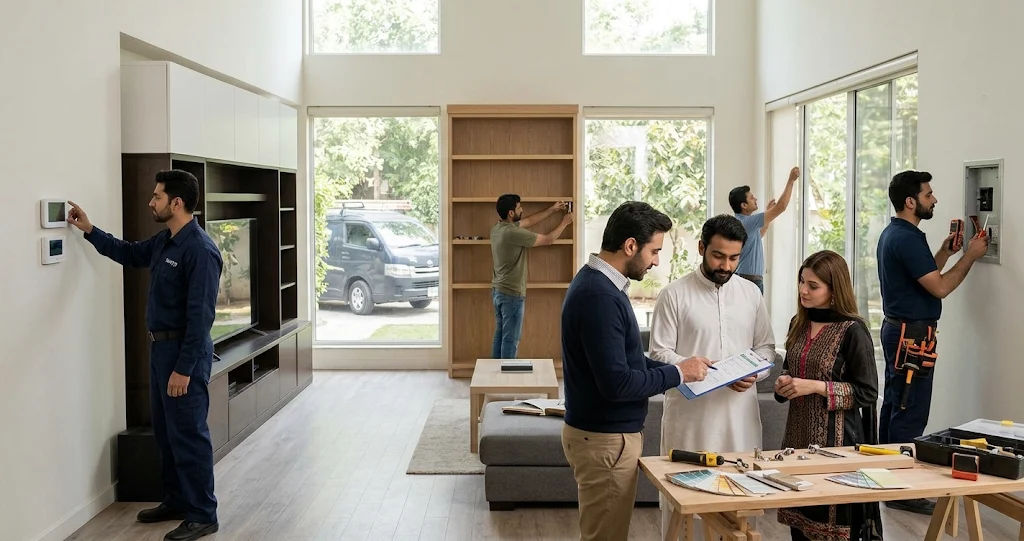
Understanding the timeline for bathroom remodeling near me can help homeowners prepare for construction, manage their daily routines, and avoid unnecessary stress. A simple bathroom update may take a few days, while a complete renovation involving plumbing, electrical work, flooring, and new fixtures can require several weeks.
Every remodeling project is different. Some bathrooms need only cosmetic improvements, while others require major structural changes. Knowing what happens during each stage makes it easier to establish realistic expectations and plan the renovation successfully.
Average Time Required for Bathroom Remodeling
Most standard bathroom remodeling projects take approximately two to four weeks of active construction. However, this estimate does not always include the planning period, ordering materials, obtaining permits, or waiting for specialist contractors.
A small bathroom with limited improvements may be completed within one or two weeks. A larger bathroom with extensive changes may take four to eight weeks or longer.
The overall timeline depends on the amount of work involved.
Small Bathroom Renovations
Small bathroom renovations generally take less time because they involve fewer fixtures, smaller flooring areas, and simpler layouts.
Projects such as replacing a vanity, installing a new toilet, repainting walls, or updating lighting may take approximately three to seven working days.
If the existing plumbing and electrical systems are in good condition, contractors can complete these improvements relatively quickly.
However, even a small bathroom can require additional time if hidden damage is discovered.
Medium-Sized Bathroom Remodeling
A medium-sized bathroom renovation often takes two to four weeks.
This type of project may include replacing the bathtub, installing a shower, changing bathroom tiles, upgrading cabinets, and improving lighting.
Contractors must coordinate different activities to ensure that each stage is completed properly.
For example, plumbing adjustments usually need to be completed before walls are closed and new tiles are installed.
Complete Bathroom Renovations
A complete bathroom renovation can take four to eight weeks or longer, depending on its complexity.
These projects may involve removing existing fixtures, replacing plumbing, upgrading electrical systems, installing waterproofing, changing the layout, and adding new bathroom features.
Homeowners searching for bathroom remodeling services should discuss the complete project schedule before construction begins.
Main Factors That Affect Bathroom Remodeling Time
Several factors influence how quickly contractors can complete a bathroom renovation. Understanding these elements helps homeowners make informed decisions and prepare for possible delays.
Bathroom Size and Layout
The size of a bathroom directly affects the amount of work required.
A small bathroom usually needs fewer tiles, less flooring, and fewer materials than a large master bathroom.
However, size is not the only consideration. The existing layout also matters.
Keeping the toilet, shower, bathtub, and vanity in their original positions can save time. Moving these fixtures may require additional plumbing work and structural adjustments.
Plumbing Requirements
Plumbing is one of the most important parts of bathroom remodeling.
If existing pipes are damaged, outdated, or incorrectly installed, contractors may need to repair or replace them before continuing.
Moving a shower or toilet can also increase the project's duration.
Professional plumbers must ensure that water connections, drainage systems, and pipe fittings work correctly.
Unexpected plumbing problems can add several days to the schedule.
Electrical Improvements
Bathroom electrical work may include installing new lighting, exhaust fans, switches, outlets, and other electrical features.
These improvements require careful planning because bathrooms contain water and moisture.
Qualified electricians must follow applicable electrical safety requirements.
If the existing wiring needs significant repairs, the renovation may take longer than originally expected.
Material Availability
The availability of materials can have a major impact on project completion.
Tiles, shower doors, bathroom cabinets, faucets, bathtubs, and other fixtures may need to be ordered before construction begins.
Custom-made products can take longer to arrive than standard materials.
Homeowners should select important materials early and confirm delivery dates with suppliers.
This helps prevent unnecessary interruptions during construction.
Contractor Experience
Experienced contractors generally understand how to organize renovation activities efficiently.
They can coordinate plumbers, electricians, tile installers, painters, and other professionals.
A well-organized team can complete different stages without unnecessary waiting periods.
When comparing bathroom remodeling near me providers, homeowners should consider experience, communication, previous projects, and scheduling practices rather than choosing based on price alone.
Step-by-Step Bathroom Remodeling Timeline
Understanding each stage of bathroom remodeling makes the overall process easier to manage.
Although the exact schedule varies, most complete renovations follow a similar sequence.
1. Planning and Design
ESTIMATED TIME: 1–3 WEEKS OR MORE BEFORE CONSTRUCTION
Planning is the foundation of a successful bathroom renovation.
During this stage, homeowners decide what improvements they want, establish a budget, select materials, and discuss their ideas with contractors.
The design process may include choosing:
-
Bathroom tiles and flooring.
-
Shower or bathtub styles.
-
Vanity cabinets and storage.
-
Faucets and shower fixtures.
-
Lighting and ventilation.
-
Wall colors and decorative finishes.
Contractors may also inspect the existing bathroom to identify potential problems.
Careful planning helps reduce confusion once construction begins.
2. Removing Existing Fixtures and Materials
ESTIMATED TIME: 1–3 DAYS
The next stage involves removing old bathroom materials and fixtures.
Contractors may remove existing tiles, cabinets, toilets, bathtubs, sinks, shower enclosures, and damaged wall materials.
This process prepares the room for new installations.
During demolition, professionals should protect nearby areas from dust and debris.
They should also inspect exposed surfaces for moisture damage, mold, or structural problems.
If unexpected damage is discovered, additional repairs may be necessary.
3. Plumbing and Electrical Work
ESTIMATED TIME: 2–5 DAYS
Once demolition is complete, contractors can begin necessary plumbing and electrical improvements.
Plumbers install or adjust water supply pipes, drainage connections, and shower fittings.
Electricians handle wiring, lighting connections, exhaust fans, and other electrical requirements.
The amount of work depends on the bathroom's original condition and whether the layout is changing.
Homeowners should make sure these systems are inspected before the next construction stage begins.
4. Wall Preparation and Waterproofing
ESTIMATED TIME: 2–4 DAYS, PLUS REQUIRED CURING TIME
Waterproofing protects the bathroom from moisture and water damage.
Contractors prepare walls and floors before applying suitable waterproofing products.
Shower areas, bathtub surroundings, and other wet locations require particular attention.
The waterproofing system must be installed according to manufacturer instructions.
Some products need specific drying or curing periods before additional work can continue.
Skipping these requirements can create expensive problems later.
5. Installing Tiles and Flooring
ESTIMATED TIME: 3–7 DAYS
Tile installation is often one of the most time-consuming stages.
Contractors measure the bathroom, prepare surfaces, cut tiles, apply adhesive, and install the selected materials.
The time required depends on tile size, design complexity, and the amount of floor and wall coverage.
Decorative patterns and smaller tiles may require additional installation time.
After installation, grout and adhesive need sufficient time to cure before the next activities begin.
6. Installing Bathroom Fixtures
ESTIMATED TIME: 2–4 DAYS
Once the main surfaces are ready, contractors install bathroom fixtures.
These may include:
-
Toilets and sinks.
-
Bathtubs and shower systems.
-
Vanity cabinets.
-
Faucets and showerheads.
-
Mirrors and bathroom accessories.
-
Shower doors and glass panels.
Each fixture must be fitted correctly and checked for proper operation.
Professional installation helps prevent leaks, loose connections, and other problems.
7. Painting and Finishing
ESTIMATED TIME: 1–3 DAYS
The finishing stage gives the bathroom its completed appearance.
Contractors may paint suitable wall surfaces, install mirrors, attach towel rails, fit accessories, and complete small decorative details.
They also check that cabinets, drawers, doors, and fixtures operate properly.
The final appearance depends on the quality of installation and attention to detail.
8. Inspection and Final Cleaning
ESTIMATED TIME: 1–2 DAYS OR MORE
The final stage involves checking the entire bathroom.
Contractors inspect plumbing connections, drainage, electrical fixtures, ventilation, waterproofing details, and installed materials.
They should also identify any unfinished work that needs correction.
After the inspection, the bathroom is cleaned and prepared for normal use.
Some materials, adhesives, sealants, and grout may require additional curing time before the bathroom can be fully used.
How to Reduce Bathroom Remodeling Time
Homeowners cannot control every part of a renovation, but several practical steps can help prevent unnecessary delays.
Choose Materials Before Construction
Selecting materials before work begins makes project scheduling easier.
Homeowners should finalize their choices for tiles, cabinets, sinks, faucets, bathtubs, and shower fixtures.
Waiting until construction is underway to select important products can interrupt the contractor's schedule.
It is also helpful to confirm that materials are available before placing orders.
Hire an Experienced Remodeling Contractor
The right contractor can make a significant difference in the renovation timeline.
Experienced professionals understand the correct order of construction activities and know how to coordinate different specialists.
When researching bathroom remodeling near me, ask potential contractors about their previous bathroom projects and estimated completion schedules.
Request a written agreement that explains the expected work, payment arrangements, and project responsibilities.
Avoid Unnecessary Design Changes
Changing the design after construction begins can increase both costs and completion time.
For example, moving a shower to another wall may require additional plumbing adjustments.
Changing tile selections after installation has started may also create scheduling problems.
Homeowners should make important design decisions before demolition begins.
Keep Communication Clear
Good communication helps prevent misunderstandings.
Homeowners should know when contractors plan to arrive, which activities are scheduled, and whether any problems have appeared.
Regular updates make it easier to address concerns before they become major delays.
A clear communication process also helps everyone understand their responsibilities.
Common Reasons Bathroom Remodeling Projects Get Delayed
Even well-planned renovations can experience unexpected interruptions.
Recognizing common causes of delays helps homeowners prepare for them.
Hidden Water Damage
Water damage is not always visible before demolition.
Once contractors remove old tiles, cabinets, or flooring, they may discover damaged materials that need replacement.
These repairs are important because covering existing moisture problems can lead to further deterioration.
Mold and Moisture Problems
Bathrooms naturally experience high humidity.
Poor ventilation, leaking pipes, and damaged waterproofing can contribute to moisture-related problems.
If mold or significant moisture damage is discovered, appropriate assessment and remediation may be needed before renovation continues.
This can add time to the project.
Permit and Inspection Delays
Some bathroom renovations require permits or inspections, particularly when plumbing, electrical systems, or structural elements are changed.
Requirements vary by location and project type.
Homeowners should confirm applicable regulations before construction begins.
Delays in approval or inspection appointments may affect the completion date.
Unexpected Material Shortages
Certain tiles, cabinets, and bathroom fixtures may become unavailable.
If a selected product is delayed, contractors may need to pause the relevant installation work.
Choosing readily available alternatives can sometimes prevent extended waiting periods.
Scheduling Problems
Bathroom remodeling often involves several different professionals.
If a plumber, electrician, or tile installer is unavailable when needed, the project schedule may change.
An experienced contractor should organize the work and communicate scheduling changes clearly.
How to Prepare Your Home Before Bathroom Remodeling
Preparing your home before construction starts can make the renovation more manageable.
It also helps protect household belongings and reduces disruption.
Create an Alternative Bathroom Arrangement
If your home has only one bathroom, arrange an alternative before construction begins.
You may be able to use another bathroom in your home or make suitable arrangements with family members.
Discuss the expected period of restricted bathroom access with your contractor.
Remove Personal Belongings
Take toiletries, towels, medicines, decorations, and other personal items out of the bathroom.
This gives contractors enough room to work and helps protect your belongings from dust and accidental damage.
Protect Nearby Areas
Construction activities can create dust and debris.
Ask your contractor how nearby hallways, floors, doors, and furniture will be protected.
Proper covering and dust control can make cleanup easier.
Discuss Working Hours
Before construction begins, establish the contractor's expected working hours.
This is especially important if people work from home or have school and family responsibilities.
Agreeing on a schedule helps reduce inconvenience.
What Should You Ask a Bathroom Remodeling Contractor?
Before hiring a contractor, homeowners should ask questions about the project schedule and working arrangements.
The following questions can help establish realistic expectations.
How Long Will the Entire Project Take?
Ask for an estimated start date and completion date.
The contractor should explain how long each major stage is expected to require.
This makes it easier to understand whether the proposed timeline is realistic.
What Could Cause Delays?
Ask whether the contractor expects any potential problems involving plumbing, electrical systems, materials, or permits.
A professional should explain possible risks and how unexpected situations will be handled.
Who Will Manage Different Stages?
Find out whether the contractor has an in-house team or hires independent specialists.
It is important to understand who coordinates plumbers, electricians, tile installers, and other workers.
Is the Work Covered by a Warranty?
Ask about workmanship guarantees and product warranties.
Written information helps homeowners understand what protection is available if installation problems occur.
How Will Project Updates Be Provided?
Discuss how often the contractor will provide progress updates.
Regular communication makes it easier to monitor construction and address concerns.
Is It Possible to Remodel a Bathroom in One Week?
Yes, certain small bathroom improvements can be completed within one week.
However, completing a full renovation in seven days is generally difficult.
A one-week project is more realistic when the existing bathroom layout remains unchanged and the work involves replacing selected fixtures, repainting, or installing limited new materials.
A complete renovation requires several stages that cannot always happen immediately one after another.
Waterproofing, tile adhesive, grout, paint, and sealants may require specific drying or curing periods.
Rushing these activities can affect the quality and durability of the finished bathroom.
Homeowners should prioritize proper installation over an unrealistic completion deadline.
How Much Does the Remodeling Timeline Affect Project Costs?
Time and cost are closely connected during bathroom renovations.
A longer project does not automatically mean a more expensive renovation, but delays can increase certain expenses.
For example, additional labor days, unexpected plumbing repairs, material replacement, and changes to the original design can increase the overall budget.
Contractors may also charge more when a project requires specialist work or complicated scheduling.
Homeowners should request a detailed quotation that separates labor, materials, and other expected expenses.
It is also sensible to keep a contingency budget for unexpected repairs.
Good planning can reduce the likelihood of unnecessary costs while maintaining the quality of the renovation.
Signs That Your Bathroom Remodeling Project Is Progressing Properly
Monitoring progress helps homeowners understand whether construction is moving according to plan.
Several signs indicate that the project is being managed effectively.
Work Follows an Organized Schedule
Each construction activity should follow a logical sequence.
For example, demolition should be completed before major installation work begins.
Plumbing and electrical improvements should generally be addressed before walls and floors are finished.
Contractors Explain Changes
Unexpected problems can occur during renovation.
Professional contractors explain what has happened, why additional work is required, and how it affects the completion date.
They should also discuss any cost changes before proceeding with additional work.
Quality Is Not Sacrificed for Speed
Good workmanship is more important than completing the project in the shortest possible time.
Proper waterproofing, secure fixture installation, and careful tile placement should never be rushed.
A bathroom should be both attractive and functional.
Final Checks Are Completed
Before accepting the finished project, homeowners should check the water supply, drainage, lighting, ventilation, shower fittings, and other important features.
Any outstanding issues should be documented and discussed with the contractor.
Conclusion
Bathroom remodeling can take anywhere from several days to multiple weeks, depending on the project's size, design, and complexity. A simple bathroom update may require three to seven working days, while a standard renovation often takes two to four weeks of active construction. Complete renovations involving plumbing changes, electrical improvements, waterproofing, new flooring, and structural adjustments may take four to eight weeks or longer.
Understanding the different stages helps homeowners prepare for the renovation and establish realistic expectations. Planning, demolition, plumbing, electrical work, waterproofing, tile installation, fixture fitting, painting, and final inspections all contribute to the overall schedule.
When researching bathroom remodeling near me, it is important to choose a qualified contractor who provides clear communication, realistic timelines, and reliable workmanship. Homeowners should also select materials early, finalize their preferred design, and discuss possible delays before construction begins.
Unexpected problems such as hidden water damage, mold, material shortages, and permit requirements can affect the completion date. Preparing for these possibilities makes the process easier to manage.
Ultimately, a successful bathroom renovation is not simply about finishing quickly. It is about creating a comfortable, functional, and durable space that meets household needs. By working with experienced professionals and allowing enough time for every stage, homeowners can achieve a beautiful bathroom without compromising installation quality or long-term performance.