
Halal burgers have become increasingly popular among people who want to enjoy modern fast food while following Islamic dietary guidelines. Smash burgers, in particular, are known for their thin beef patties, crispy edges, melted cheese, and rich flavor. However, when choosing a burger, many Muslims want to know more than whether the restaurant describes its food as halal. They may also want to know whether the meat is specifically Zabiha halal.
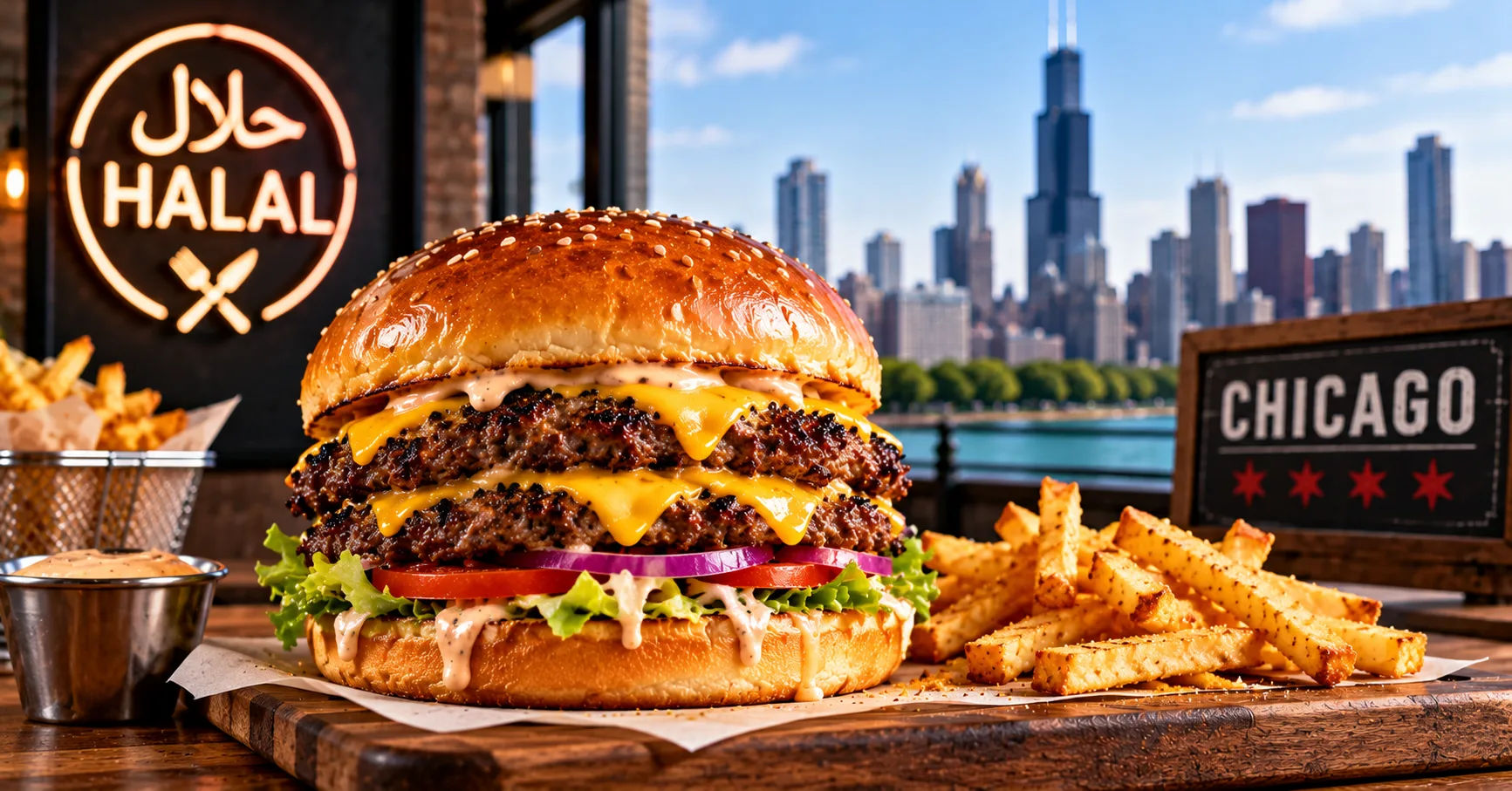
A Halal Beef Smash Burger can be Zabiha halal, but the answer depends on how the beef was sourced, slaughtered, processed, and handled. The smash cooking technique itself does not determine the religious status of the meat. Instead, the key considerations include the animal's permissibility, the slaughter process, the reliability of the supplier's certification, and whether the other ingredients and preparation practices meet the relevant halal requirements.
Understanding the distinction between halal and Zabiha halal can help customers make informed decisions when ordering at restaurants or preparing burgers at home. It is particularly useful when different restaurants use different suppliers or when menu descriptions do not explain how the meat was obtained.
This guide explores what Zabiha halal means, how it relates to beef smash burgers, what customers should ask restaurants, and how to verify halal claims without relying on assumptions.
What Does Zabiha Halal Mean?
Halal Beef Smash Burger to the Islamic method of slaughtering an animal for consumption. The term is commonly used by Muslims who want assurance that their meat was slaughtered according to Islamic requirements.
Although people sometimes use halal and Zabiha halal interchangeably, the terms can communicate different levels of detail in everyday food discussions.
The Arabic word halal means permissible. In food, it refers to products that are allowed under Islamic dietary law.
Beef comes from an animal that is generally permissible to eat, but the animal's species alone does not establish that the meat is halal. Slaughter requirements, the animal's condition, and other relevant circumstances also matter.
Ingredients added to the beef must be considered as well. Seasonings, sauces, cheese, and other processed foods may require verification if their ingredients or production methods are uncertain.
Understanding Zabiha
Zabiha describes meat obtained through an Islamic slaughter process. The requirements commonly discussed by Muslim scholars and halal certifiers include the following:
-
The animal must be a permissible species.
-
The animal must be alive at the time of slaughter, according to the applicable requirements.
-
The slaughter must be performed by an eligible person under the relevant Islamic rules.
-
The prescribed cutting and invocation requirements must be observed according to the applicable school of thought and halal standard.
-
The animal's death and the slaughter process must meet the requirements of the standard being followed.
Details can differ among Islamic legal schools and halal certification bodies, particularly regarding stunning, slaughter procedures, and other technical matters. For this reason, people seeking a specific Zabiha standard should consult a trusted scholar or a certification organization whose requirements they accept.
Can a Halal Beef Smash Burger Be Zabiha Halal?
Yes. A smash burger made with Zabiha-compliant beef can qualify as Zabiha halal when its other ingredients and preparation also meet the applicable requirements.
The important distinction is between the cooking method and the source of the meat.
A smash burger is made by pressing ground beef onto a hot griddle or skillet. This creates a thin patty with a browned crust and crisp edges. The technique does not inherently make the meat halal or non-halal.
The burger's religious status depends on factors such as:
-
Where the beef came from.
-
Whether the slaughter process met the relevant Zabiha requirements.
-
Whether the meat was processed and transported appropriately.
-
Whether the seasonings, cheese, sauces, and bun are suitable.
-
Whether the kitchen prevents prohibited ingredients from contaminating the food.
For example, a restaurant could use Zabiha-certified ground beef and prepare it on suitable, properly managed equipment. Its smash burger could then meet the relevant halal requirements.
By contrast, a restaurant might use beef from a supplier that cannot establish whether the slaughter process met the customer's required standard. Even if the patty looks and tastes identical, the customer may not have enough information to confirm that it is Zabiha halal.
The appearance, aroma, and flavor of the burger cannot establish how the animal was slaughtered.
What Is the Difference Between Halal and Zabiha Halal Beef?
The difference often comes down to how the terms are being used and what evidence is available about the meat's source.
In everyday conversation, many Muslims use halal beef to mean beef slaughtered according to Islamic requirements. Others use Zabiha halal more specifically to emphasize that the slaughter method has been verified according to a particular interpretation or standard.
Because terminology and certification practices vary, the label alone may not answer every question.
Halal Certification and Zabiha Assurance
Halal certification is a process through which an organization evaluates products, suppliers, or food-handling procedures against its established requirements. Depending on the organization, the review may cover slaughter, processing, transportation, storage, and preparation.
Some certification organizations explicitly identify their requirements for Zabiha slaughter. Others use broader halal terminology while still assessing slaughter practices.
If Zabiha is important to you, check what the particular certification actually covers. A recognizable halal logo can be helpful, but it is worth verifying the certifier's standards rather than assuming every organization uses identical criteria.
Does Every Halal Label Mean the Same Thing?
No. Different countries, certification organizations, and religious authorities may apply different standards to certain aspects of slaughter.
For instance, there are differences of opinion about some forms of pre-slaughter stunning and about how particular slaughter conditions should be assessed. Some authorities accept certain stunning procedures under specified conditions, while others reject them.
This does not mean that every halal label is unreliable. It means that customers seeking a specific standard should understand the certification behind the label.
If you follow a particular scholar, school of thought, or certification standard, use that as your reference when evaluating a restaurant's claims.
How to Check Whether a Smash Burger Restaurant Uses Zabiha Halal Beef
When ordering a burger, the most useful approach is to ask clear questions and look for verifiable information.
1. Ask About the Beef Supplier
Start by asking the restaurant where it purchases its ground beef. A responsible business should be able to explain its sourcing process or direct you to the relevant supplier information.
You do not necessarily need to investigate every step personally. However, knowing the supplier can help you determine whether credible documentation exists.
2. Request Certification Details
Ask whether the restaurant's beef is certified halal and whether the certification specifically addresses Zabiha slaughter.
If a certificate is available, check that it is current and covers the relevant supplier, product, or facility. A certificate for a different product or location may not establish the status of the beef used in your burger.
Where possible, verify the certification through the issuing organization rather than relying entirely on a photograph or verbal claim.
3. Ask About the Slaughter Standard
If you require a particular Zabiha standard, ask the restaurant whether its supplier follows that standard.
Useful questions include:
-
Does the supplier confirm Islamic slaughter?
-
Which halal certification organization oversees the meat?
-
Does the certification address the use of pre-slaughter stunning?
-
Can the restaurant provide further information about its supplier's procedures?
You can ask these questions politely. The purpose is to understand the restaurant's practices, not to accuse the business of wrongdoing.
4. Check Kitchen Preparation
Even if the beef is Zabiha halal, preparation practices deserve attention.
Ask whether the restaurant uses separate equipment or suitable cleaning and separation procedures to prevent contact with pork or other prohibited ingredients. Consider the griddle, spatulas, preparation surfaces, storage areas, and cooking oil where relevant.
The exact controls required may vary according to the certification standard being followed. The central concern is that the food should be prepared in a manner consistent with the applicable halal requirements.
Do the Other Ingredients Affect Zabiha Halal Status?
Yes. Confirming the beef's slaughter status is essential, but a complete burger includes more than meat.
Cheese and Dairy Products
Cheese is a common addition to smash burgers. Many cheeses are suitable for halal diets, but some products use enzymes or rennet whose source may require checking.
If you follow a specific halal standard, choose cheese with suitable ingredients or reliable certification.
Sauces and Condiments
Mayonnaise, ketchup, mustard, barbecue sauce, and special burger sauces can all contribute to flavor. Their ingredients vary by brand and recipe.
Check labels for ingredients that may be prohibited or require further investigation. Alcohol-derived ingredients and certain flavorings can be assessed differently by different authorities, so follow the standard you trust.
Burger Buns
Most basic bread ingredients are generally straightforward, but commercial buns can contain additional processing ingredients. If the product's status is uncertain, check the label or seek information from the manufacturer.
Cooking Oil and Seasonings
Salt, pepper, and many ordinary spices are suitable seasonings. Packaged blends and prepared marinades may contain additional ingredients that deserve verification.
Cooking oil should also be suitable, and the restaurant should have appropriate procedures to prevent contact with prohibited foods or residues.
In short, a burger should be assessed as a complete meal rather than by looking only at the beef patty.
Does the Smash Cooking Method Affect Whether the Burger Is Zabiha Halal?
The smash cooking method does not change the slaughter status of the beef. It is simply a way of preparing the patty.
The cook places ground beef on a hot, flat surface and presses it into a thin layer. This increases contact with the pan and encourages the development of a browned, crispy crust.
However, the cooking process still needs to follow appropriate food-handling practices.
For example, the spatula should be clean, the cooking surface should be managed appropriately, and the beef should not come into contact with prohibited ingredients. Ground beef should also be cooked to a safe internal temperature of 71°C (160°F).
These food-safety precautions complement halal requirements, although food safety and religious permissibility are separate considerations.
Making a Zabiha Halal Smash Burger at Home
Preparing a burger at home gives you more control over the ingredients and their sources.
Ingredients
For two double-patty burgers, gather:
-
400 grams of ground beef verified as Zabiha halal according to your chosen standard
-
Two burger buns with suitable ingredients
-
Four slices of suitable melting cheese
-
One small onion
-
Pickles and lettuce
-
Salt and black pepper
-
Halal-friendly mayonnaise, ketchup, or mustard
Preparation Method
First, divide the chilled beef into four loose balls of approximately 100 grams each. Avoid compressing the meat too firmly.
Heat a heavy skillet or griddle until it is thoroughly hot. Place a beef ball on the surface and immediately press it into a thin patty with a sturdy spatula.
Season the exposed side and allow the beef to brown without moving it unnecessarily. Flip the patty once the crust has developed, then cook the other side until the ground beef reaches 71°C (160°F).
Add cheese during the final stage of cooking and allow it to melt. Toast the buns, spread the sauce, and assemble the burger with onions, pickles, and lettuce.
Throughout preparation, keep raw beef separate from ready-to-eat ingredients and use clean equipment. Check the ingredients of the cheese, buns, and sauces before serving.
This method produces the familiar crispy texture of a smash burger while allowing you to control the sourcing and handling of the ingredients.
Common Misunderstandings About Zabiha Halal Burgers
Several assumptions can make it harder to evaluate a burger accurately.
A burger described as halal is always Zabiha halal. Not necessarily. The terms may be used differently by suppliers and certifiers. Ask about the specific standard if it matters to you.
Beef is automatically halal because cows are permissible animals. The animal's species is only one consideration. The slaughter process and other relevant requirements also matter.
A halal logo guarantees that every restaurant practice is identical. Certification standards and their scope can differ. Check what the certificate covers when you need specific assurance.
A burger is halal because it contains no pork. Pork is not the only ingredient or process that can affect halal status. Meat sourcing, slaughter, other ingredients, and preparation practices are also relevant.
The smash cooking method determines whether the beef is halal. Smashing affects the texture and browning of the meat, not its original slaughter status.
Understanding these distinctions helps customers make informed choices without relying on appearance or marketing language alone.
Conclusion
A Halal Beef Smash Burger can be Zabiha halal when the beef has been slaughtered according to the relevant Islamic requirements and the other ingredients and preparation practices meet the applicable halal standard.
The most important factor is the source of the meat. The smash technique creates a thin patty with crispy edges and a rich, browned flavor, but it does not determine whether the beef is Zabiha halal.
Customers who want greater certainty should ask about the supplier, check the relevant certification, and confirm that it addresses the slaughter standard they follow. They should also consider the cheese, sauces, buns, cooking equipment, and food-handling procedures.
Because halal certification practices and some slaughter requirements differ among religious authorities, a single label may not answer every question. If you follow a particular school of thought or certification standard, consult a trusted authority when clarification is needed.
Ultimately, enjoying a burger while observing your dietary principles comes down to making informed decisions. By checking the source of the beef, understanding the certification, and ensuring that the entire meal meets your requirements, you can choose a Halal Beef Smash Burger with greater confidence.