
Choosing the right school for a child is one of the most important decisions parents make. A good school provides academic knowledge, builds confidence, and develops strong moral values. In an Islamic educational environment, teachers have an even greater responsibility because they help students understand their religion while preparing them for modern life. 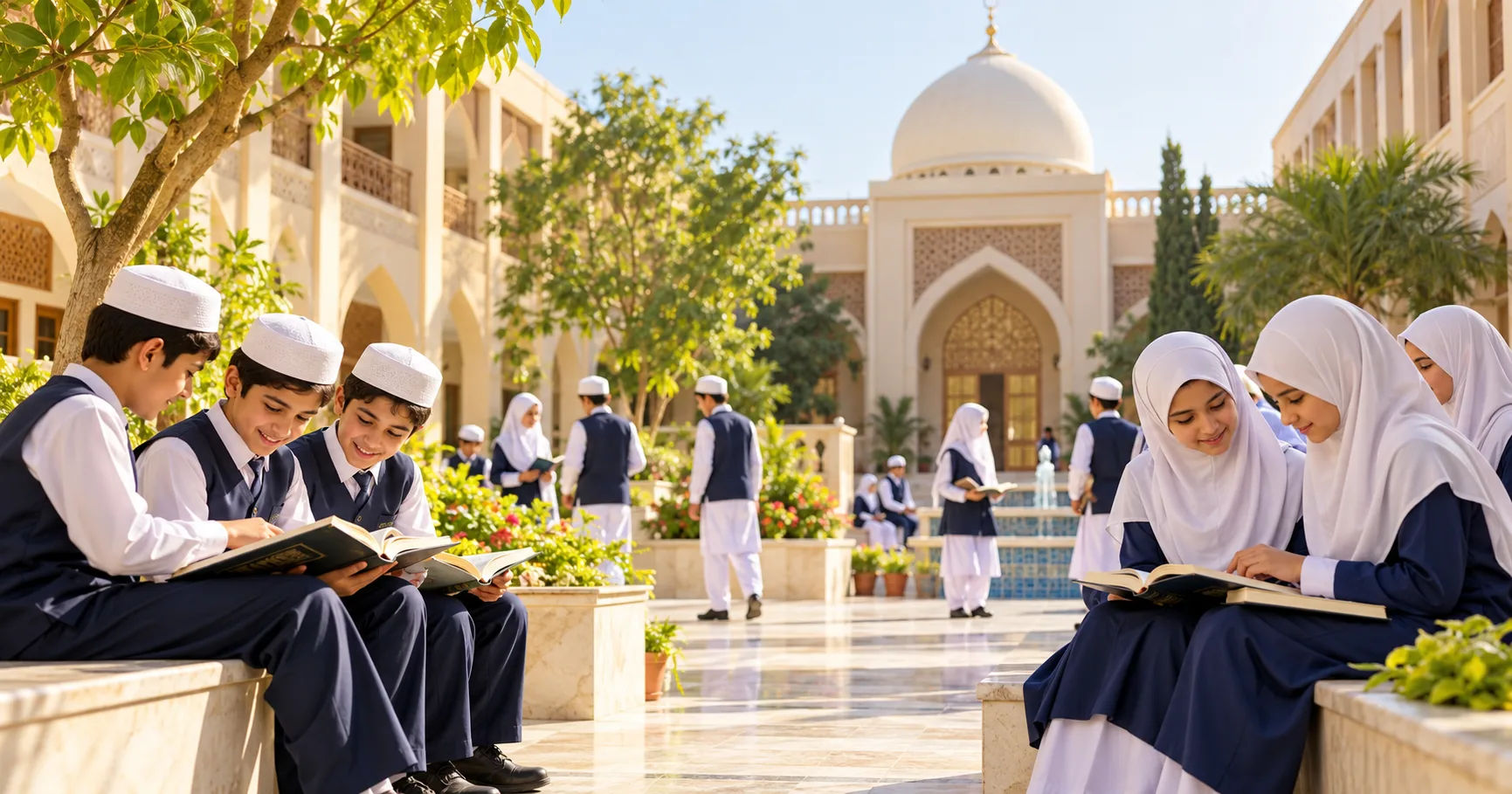 The Best Islamic School in Karachi should have teachers who combine subject expertise, Islamic knowledge, patience, and a genuine commitment to student development.
Teachers influence how children think, behave, communicate, and understand the world around them. Their attitudes can shape a student's interest in learning and their approach to challenges. Therefore, parents should look beyond school buildings, facilities, and examination results when evaluating an Islamic school. The quality of its teachers deserves equal attention.
A strong teaching team understands that every child has different abilities, interests, and learning needs. Teachers should create a welcoming classroom where students feel comfortable asking questions, expressing ideas, and developing their talents. They must also demonstrate Islamic values through their everyday actions.
The Best Islamic School in Karachi should maintain high academic standards while nurturing honesty, kindness, respect, discipline, and responsibility. Its teachers should serve as educators, mentors, and positive role models who help students grow intellectually, spiritually, socially, and emotionally.
Understanding these qualities can help parents make informed decisions about their children's education. It can also help schools identify the teaching standards necessary to create a balanced and meaningful learning experience.
1. Strong Islamic Knowledge and Understanding
One of the most important qualities of teachers in an Islamic school is a sound understanding of Islamic teachings. Teachers responsible for Islamic Studies, Quranic education, and Arabic should possess appropriate qualifications and demonstrate accurate knowledge of the subjects they teach.
Islamic education should help students understand their faith rather than simply memorize information. Teachers should explain Islamic principles in language that children can understand and relate to their everyday experiences.
Knowledge of the Quran and Sunnah
Teachers responsible for Quranic education should understand correct recitation, pronunciation, and relevant rules of Tajweed. They should help students improve gradually according to their ages and abilities.
Where appropriate, teachers should also explain the meanings of Quranic passages and introduce students to their practical lessons. This approach helps children understand how Islamic teachings relate to honesty, family relationships, compassion, and personal responsibility.
Knowledge of the Sunnah is equally important. Teachers should explain the Prophet Muhammad's (peace be upon him) example in ways that encourage students to practice good manners, patience, fairness, and kindness.
Teaching Islamic Values Through Daily Actions
Religious education becomes more meaningful when students see Islamic values demonstrated in the classroom. A teacher who speaks respectfully, keeps promises, treats students fairly, and admits mistakes provides a powerful example.
Schools should therefore look for educators whose personal conduct supports the values they teach. Students often learn as much from a teacher's behavior as they do from formal lessons.
2. Excellent Academic Qualifications
Islamic education should complement strong academic learning. Students need teachers who understand their subjects and can explain complicated ideas clearly.
Teachers of mathematics, science, English, Urdu, social studies, and other subjects should have relevant educational qualifications. Their training should match the subjects and grade levels they teach.
The Best Islamic School in Karachi should employ educators who understand their curriculum and can connect classroom lessons with practical situations.
Subject Knowledge and Teaching Skills
Knowing a subject is not the same as knowing how to teach it. Effective teachers break complicated topics into manageable steps, provide useful examples, and check whether students understand the material.
For example, a mathematics teacher should explain the reasoning behind a formula rather than asking students to memorize it without understanding. A science teacher should encourage observation, experimentation, and thoughtful questions.
Language teachers should help students improve their reading, writing, speaking, and listening skills. These abilities are essential for academic success and future employment.
Continuous Professional Development
Education changes over time, so teachers should continue learning after completing their initial qualifications.
Schools should encourage professional development through workshops, training sessions, peer discussions, and subject-specific courses. Teachers should learn about modern teaching methods, assessment techniques, classroom management, and educational technology.
Regular training helps educators improve their lessons and respond to the changing needs of students.
3. Patience and Understanding of Children
Patience is an essential quality for teachers working with children of different ages and abilities. Some students understand new concepts quickly, while others need more explanations, examples, or practice.
Effective teachers recognize these differences without embarrassing or discouraging learners.
The Best Islamic School in Karachi should have teachers who remain calm when students make mistakes and help them understand how to improve.
Supporting Different Learning Needs
Children have different strengths. Some learn effectively through reading, while others benefit from visual examples, discussions, demonstrations, or practical activities.
Teachers should use different instructional approaches to make lessons accessible to a wide range of learners. They should also recognize when a student may need additional support.
For example, a child struggling with reading might benefit from guided practice, shorter assignments, and regular feedback. A student who understands lessons quickly may need more challenging activities to remain engaged.
Correcting Mistakes Respectfully
Mistakes are a natural part of learning. Teachers should correct errors in a way that helps students understand what went wrong and how to improve.
Humiliation, insults, and unnecessary harshness can damage a child's confidence. Instead, educators should provide constructive feedback and encourage students to keep trying.
Patience does not mean ignoring poor behavior or avoiding academic expectations. It means maintaining standards while treating children with dignity.
4. Strong Moral Character and Professional Ethics
Teachers in Islamic schools should demonstrate honesty, fairness, humility, and responsibility. These qualities create trust between educators, students, parents, and school administrators.
Children observe how adults handle disagreements, respond to mistakes, and treat people with different abilities or backgrounds. Teachers should model the behavior they expect students to develop.
Fairness and Honesty
Teachers should apply classroom rules consistently and avoid favoritism. Every student deserves fair treatment regardless of family background, academic performance, or personal circumstances.
Assessment should also be honest. Teachers must evaluate student work according to clear criteria and provide accurate feedback about progress.
The Best Islamic School in Karachi should establish professional standards that encourage transparency, accountability, and respectful communication.
Respect for Every Student
Students should feel valued even when their opinions, personalities, or abilities differ. Teachers should discourage bullying, discrimination, and insulting language.
Respect also involves protecting students' privacy and handling sensitive situations carefully. Teachers should follow safeguarding policies and report concerns through the school's established procedures.
A respectful environment helps children develop confidence and learn how to treat others fairly.
5. Effective Classroom Management
A successful classroom needs clear expectations, organized lessons, and consistent routines. Without these elements, students may struggle to concentrate or participate effectively.
Teachers should establish rules that are easy to understand and apply them consistently. Students should know what behavior is expected during lessons, group activities, examinations, and breaks.
Positive Discipline
Positive discipline focuses on teaching responsible behavior instead of relying on fear. Teachers can encourage good conduct through clear expectations, reasonable consequences, praise for genuine effort, and opportunities to correct mistakes.
For example, if students repeatedly interrupt a lesson, the teacher can review classroom expectations, identify the cause of the problem, and introduce an appropriate response.
Schools should prohibit abusive treatment and ensure that discipline procedures protect student dignity and safety.
Creating an Organized Learning Environment
Good classroom management also includes lesson planning, time management, and preparation of learning materials.
Teachers should begin lessons with clear objectives and move between activities smoothly. They should allow sufficient time for explanations, practice, questions, and review.
An organized classroom gives students more opportunities to learn and helps teachers identify difficulties before they become serious problems.
6. Excellent Communication Skills
Teachers need to communicate clearly with students, parents, and colleagues. Good communication helps prevent misunderstandings and supports a stronger educational experience.
In Karachi's diverse educational environment, teachers may work with students who have different levels of proficiency in English, Urdu, and other languages.
Explaining Lessons Clearly
Teachers should use language appropriate to their students' ages and understanding. When introducing a difficult concept, they should provide examples and invite students to explain the idea in their own words.
They should also listen carefully. Students may hesitate to ask questions if they feel ignored or judged.
A teacher who listens patiently can identify confusion, address misunderstandings, and build stronger classroom relationships.
Communicating With Parents
Parents need regular information about their children's academic progress, behavior, attendance, and development.
Teachers should communicate concerns respectfully and provide practical suggestions for improvement. Rather than contacting parents only when problems arise, they should also share achievements and positive changes.
The Best Islamic School in Karachi should encourage constructive partnerships between families and teachers so that children receive consistent support at school and at home.
7. Modern Teaching Methods and Technology Skills
Traditional teaching methods can provide structure, but students also benefit from interactive and practical learning experiences.
Effective teachers know when to use explanations, discussions, projects, demonstrations, group work, and digital resources. Their objective should be to improve understanding rather than use technology simply because it is available.
Encouraging Critical Thinking
Students should learn how to analyze information, compare ideas, solve problems, and explain their reasoning.
For example, a social studies teacher might ask students to discuss how communities can reduce pollution. A science teacher could guide them through an experiment and ask them to explain the results.
These activities develop independent thinking and help students apply classroom knowledge to real situations.
Responsible Use of Digital Tools
Teachers should understand how to use educational platforms, presentations, digital learning materials, and online assessments where appropriate.
They should also teach students about online safety, privacy, respectful communication, and responsible information sharing.
Technology should support learning without replacing meaningful interaction between teachers and students. Schools should ensure that digital tools are suitable for students' ages and comply with their safeguarding requirements.
8. Ability to Integrate Islamic and Modern Education
A well-rounded Islamic school should help students develop religious understanding alongside strong academic abilities.
Teachers should be able to show how values such as honesty, responsibility, justice, and compassion relate to everyday decisions and professional life.
This integration should be thoughtful and appropriate to the subject being taught.
Connecting Values With Academic Subjects
A mathematics teacher can demonstrate honesty by emphasizing accurate calculations and truthful reporting of results. A science teacher can encourage curiosity, careful observation, and respect for evidence.
A literature teacher can help students discuss ethical choices, human relationships, and the consequences of actions. In Islamic Studies, students can explore the moral lessons associated with relevant teachings.
These connections help students see education as more than preparation for examinations.
Maintaining Academic Accuracy
Integrating Islamic values into education should not mean weakening academic standards or presenting unsupported claims as established facts.
Teachers should distinguish between religious interpretation, scientific evidence, historical information, and personal opinion. They should encourage respectful questions and explain concepts accurately.
This balanced approach prepares students to participate thoughtfully in contemporary society while maintaining their religious identity.
9. Emotional Intelligence and Mentoring Skills
Children experience academic pressure, friendship problems, family changes, and uncertainty about their abilities. Teachers should recognize that emotional well-being can influence classroom performance.
Emotionally intelligent teachers respond calmly, listen carefully, and avoid making assumptions about a child's behavior.
Recognizing Student Difficulties
A student who becomes unusually quiet or struggles to complete work may need additional support. Teachers should observe changes in participation, concentration, and social interaction without attempting to diagnose conditions outside their expertise.
When necessary, they should follow school procedures and involve parents, counselors, or other qualified professionals.
Teachers should understand the limits of their responsibilities and protect student confidentiality while reporting safeguarding concerns appropriately.
Building Confidence and Motivation
Encouragement helps students recognize their strengths and understand that improvement takes effort.
Teachers should praise specific achievements, such as completing a difficult assignment, showing kindness, or making progress in reading. Specific feedback is more useful than general praise because students understand which actions contributed to success.
The Best Islamic School in Karachi should have teachers who encourage ambition while teaching humility, resilience, and respect for others.
10. Fair Assessment and Helpful Feedback
Examinations are an important part of education, but they should not be the only way teachers measure learning.
Students also demonstrate understanding through assignments, presentations, projects, discussions, practical tasks, and classroom participation.
Teachers should use assessment methods that match the learning objectives and provide a fair picture of student progress.
Identifying Learning Gaps
Regular assessments help teachers identify topics that students have not fully understood.
If several students struggle with the same concept, the teacher may need to explain it differently or provide additional practice. If only a few students experience difficulty, targeted support may be more appropriate.
This process allows teachers to improve their instruction instead of relying exclusively on examination results.
Giving Constructive Feedback
Useful feedback identifies strengths, explains errors, and suggests specific next steps.
For example, instead of simply writing that an essay is weak, a teacher can explain that the main argument needs clearer evidence and better paragraph organization.
Students should also have opportunities to review their work, ask questions, and apply feedback to future assignments.
11. Cultural Awareness and Respect for Diversity
Karachi is a large, diverse city where students may come from different linguistic, cultural, and socioeconomic backgrounds.
Teachers should understand that children can have different experiences, family circumstances, and communication styles. They should avoid stereotypes and treat each student as an individual.
Creating an Inclusive Classroom
An inclusive teacher makes reasonable efforts to ensure that all students can participate in classroom activities.
This may involve adjusting instructions, providing additional learning materials, or using different methods to explain difficult concepts. Teachers should follow school policies and seek specialist advice when a student requires support beyond their expertise.
Students should learn to disagree respectfully and cooperate with classmates who have different perspectives.
Teaching Respectful Behavior
Islamic moral education can reinforce values such as kindness, justice, responsibility, and care for others.
Teachers should demonstrate these values in how they handle conflicts and respond to inappropriate behavior. They should also encourage students to resolve disagreements peacefully and seek help when necessary.
Such practices create a healthier classroom culture and help children develop valuable social skills.
12. Commitment to Safety and Student Protection
Student safety must be a priority in every school. Teachers should understand safeguarding policies, appropriate professional boundaries, emergency procedures, and the correct methods for reporting concerns.
They should know how to respond if a student reports bullying, harassment, abuse, or another serious problem.
Maintaining Professional Boundaries
Teachers should interact with students in ways that are appropriate, transparent, and consistent with school policies.
They must respect students' physical and emotional boundaries and avoid behavior that could place children at risk. Schools should provide clear reporting procedures and training so staff understand their responsibilities.
Promoting Physical and Emotional Safety
A safe classroom is one where students can learn without fear of violence, humiliation, or persistent bullying.
Teachers should address harmful behavior promptly and seek support from school leadership when necessary. They should also ensure that classroom activities follow appropriate health and safety procedures.
Parents evaluating a school should ask how teachers are trained in safeguarding, how complaints are handled, and how the school protects students during lessons and extracurricular activities.
13. Teamwork and Professional Collaboration
Teachers rarely work effectively in isolation. They need to cooperate with school leaders, other educators, support staff, and families.
Collaboration helps teachers share successful strategies, coordinate assignments, identify learning difficulties, and maintain consistent expectations across different subjects.
Sharing Knowledge With Colleagues
Teachers can learn from one another by discussing lesson plans, reviewing student progress, observing classroom practices, and sharing useful resources.
For example, an English teacher and an Islamic Studies teacher might coordinate a writing activity that helps students improve their language skills while reflecting on an appropriate ethical topic.
Such cooperation should preserve the academic goals and standards of both subjects.
Supporting School Improvement
Professional teachers welcome constructive feedback and contribute to improving school policies and teaching practices.
They should participate in relevant meetings, maintain accurate student records, and communicate concerns through appropriate channels.
A strong teaching team creates a more consistent educational experience for students and supports the school's long-term development.
14. How Parents Can Evaluate Teachers at an Islamic School
Parents can learn a great deal about teaching quality by asking thoughtful questions and observing how a school operates.
School facilities and advertising materials may be impressive, but they do not automatically indicate that teachers are effective or supportive.
When considering the Best Islamic School in Karachi, parents should examine qualifications, teaching practices, student safety, communication, and the overall learning environment.
Questions Parents Should Ask
Consider asking the school the following questions:
-
What qualifications and training do teachers have?
-
How are Islamic Studies and Quranic education taught?
-
What professional development opportunities are available for teachers?
-
How does the school support students who struggle academically?
-
What methods are used to assess student progress?
-
How are bullying and disciplinary concerns handled?
-
How frequently do teachers communicate with parents?
-
What safeguarding policies and complaint procedures are in place?
Clear, practical answers can help parents understand the school's priorities and expectations.
Observe the Classroom Environment
If the school permits classroom visits, parents can observe whether teachers explain lessons clearly, treat students respectfully, and encourage appropriate participation.
Students should appear able to ask questions without unnecessary fear or embarrassment. Classroom rules should be clear, and teachers should respond to mistakes constructively.
Parents can also ask how the school evaluates teaching quality and responds when a teacher needs additional support or training.
Look Beyond Examination Results
Strong examination results are valuable, but they do not measure every aspect of a child's development.
Parents should also consider whether students develop communication skills, independent thinking, good manners, responsibility, and confidence.
A balanced school helps children prepare for academic challenges while developing the character and practical abilities they need throughout life.
Conclusion
The teachers at an Islamic school play a central role in shaping students' academic achievements, religious understanding, personal conduct, and future opportunities. Choosing the right educational environment requires parents to look beyond buildings, facilities, and examination results and consider the people responsible for teaching and guiding their children.
The Best Islamic School in Karachi should have teachers who possess strong academic qualifications, sound Islamic knowledge, patience, honesty, effective communication skills, and a genuine commitment to student well-being. They should understand their subjects, use appropriate teaching methods, encourage critical thinking, and provide constructive feedback that helps every student improve.
Equally important are moral character, emotional intelligence, fairness, cultural awareness, and a commitment to safeguarding children. Teachers should create classrooms where students feel safe, respected, and motivated to learn. They should encourage discipline without humiliation, correct mistakes without discouragement, and demonstrate the values they expect students to practice.
Parents should also look for schools that invest in teacher training, encourage teamwork, maintain clear safeguarding procedures, and communicate openly with families. These practices help ensure that teaching quality remains strong and that students receive consistent support throughout their education.
Ultimately, an Islamic school should prepare children for more than examinations. It should help them become knowledgeable, thoughtful, responsible, and compassionate individuals who can contribute positively to their families and communities. Teachers who combine academic excellence with meaningful Islamic guidance provide an important foundation for achieving this goal.
The right teachers can make education more engaging, strengthen a child's confidence, and encourage a lifelong commitment to learning. By carefully evaluating their qualifications, teaching methods, personal conduct, and approach to student development, parents can make a more informed decision about the school that best supports their children's future.