
The Mistakes Everyone Makes First
Every new Dragonwilds player makes the same six or seven mistakes, in roughly the same order, with roughly the same excuses afterward. This is not a criticism, it is a map. The mistakes are predictable because the game is designed to provoke them, and knowing the pattern in advance converts a frustrating first week into a fast one.
Mistake one is building the dream base in the first region. New players find a beautiful spot, sink ten hours into a mansion, and then discover the map’s progression pulls them two regions away from it. The game rewards functional early bases near resources and saves the architectural ambitions for when the map’s shape is known. Build ugly, build early, build near what you need, and redecorate when relocation is a choice rather than a defeat.
Mistake two is hoarding. The instinct says every material will matter, the stash fills accordingly, and the character progression starves while the storage problem grows. The game’s crafting chains are documented, and the honest version of the hoarding instinct is a targeted stockpile: keep the materials your current and next tier need, sell or spend the rest. Players who cannot bring themselves to spend stockpiles often route the surplus into gear instead, and the RuneScape Dragonwilds items for sale market is one honest way to convert a hoard into progression without the guilt of vendor trash.
Mistakes About Combat and Gear
Mistake three is fighting the weapon tier system rather than riding it. New players fall in love with a starter weapon and pour rare materials into upgrading it, then meet the next region’s difficulty wall with a beautifully polished obsolete tool. The tiers exist to be climbed, and the climb is cheap if you do not gild each step. Upgrade when the game gates you, not when boredom strikes, and save the rare materials for the tiers that will hold their value for more than a week.
Mistake four is ignoring the gathering skills because they look like chores. In this game they are not chores, they are the other half of combat, and the players who treat them that way find spells unlocking themselves in the background while they play normally. The reverse mistake is also real: grinding gathering skills as a job rather than letting them ride along with adventure. The design wants both halves braided, and either extreme, all fighting or all farming, plays worse than the braid.
Mistake five is gear tunnel vision, the belief that the next weapon or armor piece will fix a failing fight. Sometimes it will. More often the fight is failing to positioning, food, or consumables, none of which costs currency. The habit worth building is a post death checklist: was I fed, was the armor appropriate, did I fight it in the wrong spot. Three honest answers usually replace an hour of farming for an upgrade that would not have helped. And when an upgrade genuinely is the answer, the gap between needing it and having it does not have to be a grind, since the market path through Dragonwilds accessories and gear listings fills specific slots in minutes.
The Social and the Structural
Mistake six is playing solo out of habit in a game built for crews. Solo is legitimate, but the co-op systems are generous enough that refusing them is leaving content on the table. One regular partner changes the math of every system in the game, from boss DPS checks to shared gathering routes, and the community’s crew finding spaces are friendlier than survival game forums usually are. Even a loosely committed duo outruns a solo player with the same hours.
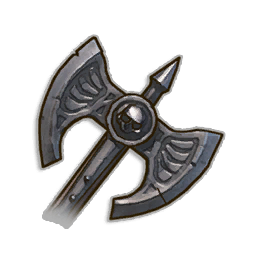
Mistake seven is the quiet one: not updating expectations. The game is early access, balance moves, and the guide that was written at launch is a historical document now. The Zombie Axe is a good example, since a patch reallocated one of its crafting materials and half the old tutorials still point at the wrong zone for it. The image below is the weapon in question, still one of the best value picks in the game, for players who check the current requirements rather than the launch ones.
Every one of these mistakes is survivable, which is worth saying out loud. The game is generous, the community is helpful, and the systems forgive restarts more readily than most survival titles. One last observation ties the list together: almost every mistake above is a version of playing the game you assumed instead of the one in front of you. The assumed game punishes gathering with boredom, gates fun behind gear, and rewards hoarding. The actual game does none of those things, and the players who update their model fastest are the ones who seem mysteriously ahead of the curve. The wilds do not require talent. They require attention, and the mistakes above are just the places attention usually goes first.