
High-rise buildings are a major part of the Los Angeles skyline. From modern office towers to luxury residential apartments, these structures often feature large glass windows that require regular maintenance. Keeping these windows clean can be challenging because of their height, design, and exposure to dust, pollution, and changing weather conditions. As technology continues to improve, property owners are exploring new ways to maintain their buildings safely and efficiently. 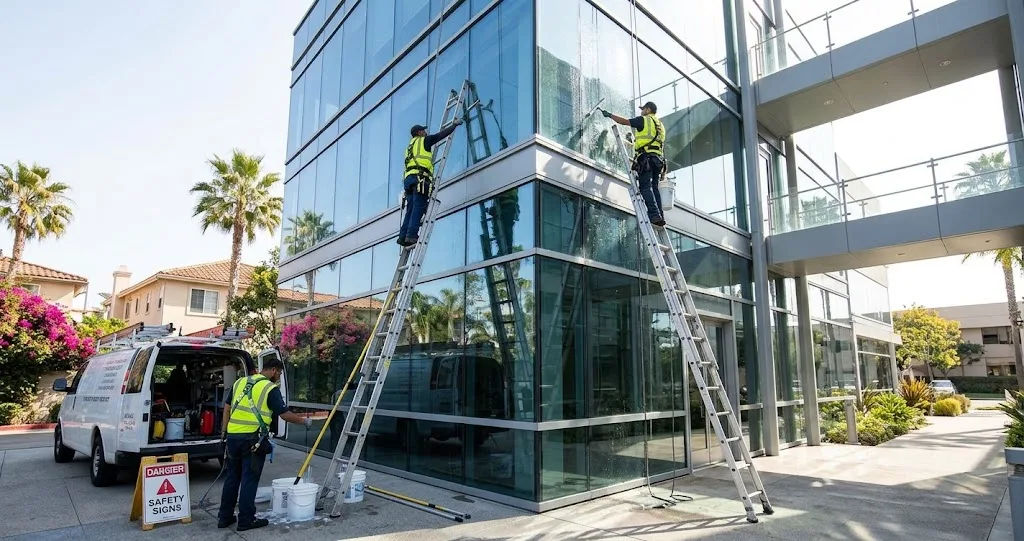 One common question is whether drones can be used for professional window cleaning.
High Rise Window Cleaning los angeles services traditionally rely on trained technicians, specialized equipment, and professional access systems. However, drones are becoming an interesting technological option for certain exterior building maintenance tasks. They can reach difficult areas, capture images, and help inspect windows without requiring workers to access every section manually.
Although drones offer several advantages, using them to wash high-rise windows is not as simple as operating a regular flying camera. Professional cleaning requires specialized equipment, trained operators, safety procedures, and compliance with aviation regulations. Understanding how this technology works can help building owners make informed decisions about modern window maintenance.
Drone Technology in High-Rise Window Cleaning
Drones are remotely operated or automated flying devices that can perform different tasks depending on their design. Many people associate drones with photography and video recording, but commercial models can also support industrial inspections, mapping, and certain maintenance operations.
In the building maintenance industry, drones are increasingly useful because they can access exterior areas that are difficult to inspect from the ground.
Some specialized systems are designed to carry cleaning equipment or work alongside ground-based water and pressure systems.
How Cleaning Drones Work
A High Rise Window Cleaning los angeles drone is different from a regular recreational drone. It requires additional components that allow it to support specialized cleaning equipment.
Depending on the system, these components may include:
-
High-resolution cameras for examining glass surfaces.
-
Specialized nozzles for distributing cleaning solutions.
-
Water supply connections.
-
Stabilization technology for controlled movement.
-
Sensors that help maintain distance from building surfaces.
-
Communication systems connecting the drone to its operator.
Some commercial systems use a ground-based water supply connected to the drone through a hose. This arrangement reduces the amount of water the aircraft needs to carry.
The operator controls the aircraft while the cleaning equipment distributes water or an approved cleaning solution over the exterior surface.
However, not every drone can perform these tasks. Equipment must be specifically designed and tested for the intended application.
Difference Between Inspection and Cleaning Drones
Inspection drones are generally easier to use than cleaning drones.
An inspection drone carries cameras and sensors that help technicians examine glass, frames, seals, and other exterior components.
A cleaning drone must perform additional work while maintaining controlled flight near the building.
This requires more advanced engineering because water pressure, hoses, wind, and the aircraft's position can affect stability.
Can Professional Window Cleaners Use Drones in Los Angeles?
Yes, specialized drones can be used for certain high-rise exterior cleaning applications. However, their use depends on the building, equipment, weather, operating conditions, and applicable regulations.
Not every property is suitable for drone-based cleaning.
For example, a building with a relatively simple glass exterior may be easier to service using specialized equipment than a tower with balconies, recessed windows, decorative features, and complicated architectural designs.
Professional contractors must evaluate these conditions before deciding whether drone technology is appropriate.
Situations Where Drones May Be Useful
Drones can provide practical advantages in specific situations.
1. Difficult-to-reach exterior sections
Some buildings have architectural features that make traditional access challenging. Specialized drones may help reach selected exterior areas without positioning workers directly beside those surfaces.
2. Preliminary inspections
Drones can capture images of windows before cleaning begins. These images help technicians identify visible dirt, stains, damaged seals, and other maintenance concerns.
3. Large glass surfaces
Certain commercial buildings feature extensive glass exteriors. Depending on the cleaning system, drones may help service suitable sections of these surfaces.
4. Maintenance assessments
Property managers can use drone footage to monitor the condition of exterior windows over time.
These applications demonstrate why drone technology is receiving attention in the professional building maintenance industry.
Benefits of Using Drones for High-Rise Window Cleaning
Drone technology offers several potential benefits when used correctly. However, these advantages depend on the cleaning method, building design, and experience of the service provider.
Improved Access to Certain Areas
Traditional high-rise window cleaning often involves suspended platforms, rope-access systems, and other specialized equipment.
Some exterior locations are difficult to reach because of unusual building shapes or architectural obstacles.
Drones may provide another way to access selected locations.
This can be particularly useful when technicians need to inspect difficult exterior sections before deciding on a suitable cleaning approach.
Reduced Need for Direct Human Access
One of the biggest attractions of cleaning drones is their ability to perform certain exterior tasks without placing a technician directly beside every window.
This can reduce exposure to some working-at-height hazards.
However, drone operation still involves risks. Equipment failure, weather conditions, electrical hazards, and falling objects must be considered.
Drones do not eliminate the need for professional safety management.
Faster Preliminary Inspections
Inspecting a large building manually can take considerable time.
A camera-equipped drone can capture exterior footage that allows maintenance teams to review multiple sections.
This may help property managers identify areas requiring attention and organize maintenance schedules more efficiently.
Potential Cost Savings
Drone technology may reduce certain equipment and access requirements for suitable projects.
For example, some inspections may not require the same access arrangements as traditional rope-based inspections.
However, specialized cleaning drones can be expensive to purchase, maintain, and operate.
Therefore, savings are not guaranteed. Contractors must compare the total cost of drone operations with traditional cleaning methods.
Challenges of Drone-Based Window Cleaning
Despite its advantages, drone cleaning has several limitations. These challenges are especially important when working around occupied buildings in a busy city.
Wind and Weather Conditions
Los Angeles generally has many favorable outdoor working days, but weather conditions can still change.
Wind is particularly important because tall buildings can create unpredictable airflow.
A drone carrying cleaning equipment may experience additional instability from water hoses and external forces.
Rain, poor visibility, and strong wind can also affect operations.
Professional operators must follow equipment limitations and postpone work when conditions are unsuitable.
Water Pressure and Cleaning Quality
Cleaning glass requires more than simply spraying water onto a surface.
Windows may contain:
-
Dust and airborne pollution.
-
Bird droppings.
-
Mineral deposits.
-
Greasy marks.
-
Construction residue.
-
Environmental stains.
Some contaminants require specialized cleaning products or careful manual treatment.
A drone may distribute cleaning liquid effectively, but it might not provide the detailed scrubbing necessary for every type of stain.
This means traditional methods may still be necessary for certain buildings.
Battery and Equipment Limitations
Drones have limited operating times.
Carrying additional equipment or working against wind can increase energy consumption.
Ground-connected systems may reduce battery limitations related to carrying water, but they introduce other operational challenges.
Equipment selection must consider the height, size, and design of the building.
Complex Building Designs
Not all skyscrapers have flat exterior surfaces.
Some feature balconies, ledges, projecting structures, decorative panels, and recessed windows.
These features can make drone positioning more complicated.
In such situations, experienced technicians may need to use conventional cleaning systems.
Are Drones Legal for High-Rise Cleaning in Los Angeles?
Legal compliance is one of the most important considerations when using drones for commercial building maintenance.
Drone operators in Los Angeles must understand applicable federal aviation regulations and any additional local restrictions.
FAA Commercial Drone Requirements
In the United States, commercial drone operations generally fall under the Federal Aviation Administration's Part 107 rules.
Commercial operators normally need an appropriate Remote Pilot Certificate.
They must also follow applicable operating requirements, including restrictions involving controlled airspace, operating near people, aircraft visibility, and maximum flight altitude.
Some operations may require additional FAA authorization or waivers.
These requirements are especially important in Los Angeles because the region contains airports, controlled airspace, and densely populated areas.
Operating Near Tall Buildings
High-rise buildings create additional operational considerations.
A drone operator must assess surrounding structures, people, vehicles, and nearby airspace before starting work.
The operator must also consider whether the aircraft can safely maintain its position near the building.
A professional contractor should understand the relevant aviation requirements before offering drone-based cleaning services.
Local Permissions and Property Approval
Federal aviation compliance does not automatically provide permission to operate on private property.
Building owners and property managers may have their own requirements.
Before beginning work, contractors should obtain appropriate property authorization and coordinate with building management.
Insurance coverage and site-specific safety procedures should also be reviewed.
Traditional Window Cleaning vs. Drone Window Cleaning
Both cleaning methods have advantages. The most appropriate option depends on the building's design, cleaning requirements, and operating conditions.
|
Feature |
Traditional Cleaning |
Drone Cleaning |
|---|---|---|
|
Human access |
Often required at height |
Some tasks can be performed remotely |
|
Equipment |
Rope systems and platforms |
Specialized aircraft and cleaning equipment |
|
Detailed scrubbing |
Strong capability |
Depends on equipment |
|
Exterior inspection |
Manual or assisted |
Camera-assisted |
|
Weather sensitivity |
Yes |
Yes |
|
Building suitability |
Wide range of designs |
Depends on accessibility and drone capability |
|
Operating requirements |
Work-at-height safety rules |
Aviation and cleaning safety requirements |
When Traditional Cleaning Is Better
Traditional cleaning remains an important option for buildings requiring detailed work.
Technicians can manually remove stubborn stains, clean window frames, inspect seals, and reach difficult corners.
They can also adjust their cleaning techniques according to the condition of individual windows.
For buildings with complicated exterior designs, traditional methods may offer better control.
When Drone Cleaning May Be Better
Drone technology may be useful when the exterior contains large, relatively accessible surfaces that can be cleaned using a suitable system.
It may also help contractors perform preliminary inspections and assess maintenance requirements.
For some properties, combining drones with traditional cleaning techniques may provide the most practical solution.
What Types of Buildings Can Benefit From Cleaning Drones?
Not every high-rise property has the same maintenance requirements.
The suitability of drone technology depends on exterior materials, building height, surrounding conditions, and architectural design.
Commercial Office Buildings
Office towers often have large glass exteriors.
These surfaces collect dust, pollution, and environmental residue over time.
Drone-assisted inspections can help property managers examine exterior conditions and identify maintenance needs.
Specialized cleaning drones may also be suitable for certain straightforward glass sections.
Residential Apartment Towers
High-rise apartment buildings have additional considerations.
Residents may have windows, balconies, and outdoor spaces close to the cleaning area.
Contractors must coordinate with property management and consider privacy, access, and public safety.
Drone operations should not interfere with residents or create unnecessary disturbances.
Hotels and Hospitality Buildings
Hotels depend on clean exterior glass to maintain a professional appearance.
Large windows are common in guest rooms, restaurants, and shared spaces.
Drone inspections may help maintenance teams monitor these surfaces.
However, cleaning operations must be carefully scheduled to reduce disruption to guests and staff.
Commercial Complexes
Shopping centers and mixed-use buildings may have large glass facades and complicated exterior designs.
Drone technology can help inspect selected sections, while conventional equipment can handle areas requiring detailed attention.
How to Choose a Professional Drone Window Cleaning Company
Selecting a qualified contractor is essential when considering modern cleaning technology.
A company should demonstrate experience in both exterior building maintenance and safe drone operations.
Check Licensing and Qualifications
Ask whether the drone operator has the required FAA certification for commercial operations.
The company should understand the regulations that apply to its proposed activities.
It should also have technicians who understand professional window cleaning procedures.
Review Insurance Coverage
Insurance is particularly important when working around tall buildings.
Ask whether the company has appropriate commercial liability coverage and whether its insurance applies to drone operations.
Building management should review the coverage before approving the project.
Ask About Cleaning Equipment
Not every commercial drone is designed for washing windows.
Ask the contractor what type of equipment it uses and whether that equipment is suitable for the building.
The company should explain how it manages water supply, cleaning solutions, and exterior surface protection.
Request a Building Assessment
A professional company should evaluate the building before recommending a cleaning method.
The assessment may include:
-
Building height and exterior design.
-
Window material and condition.
-
Surrounding structures.
-
Wind exposure.
-
Access requirements.
-
Cleaning frequency.
-
Safety considerations.
This information helps determine whether drones are appropriate or whether traditional cleaning is a better option.
Environmental Considerations of Drone Window Cleaning
Environmental responsibility is another important part of professional building maintenance.
Cleaning companies should consider water consumption, cleaning chemicals, and wastewater management.
Water Usage
Some specialized drone systems use controlled water delivery.
This may help manage water consumption on suitable projects.
However, actual usage depends on the cleaning equipment, surface condition, and cleaning method.
Property managers should ask contractors about their water management practices.
Environmentally Responsible Cleaning Solutions
Professional window cleaners should select products suitable for the building's exterior materials.
Cleaning solutions should be used according to manufacturer instructions.
Companies should also consider the environmental impact of chemicals and prevent unnecessary runoff.
Protecting Surrounding Areas
High-rise buildings are often surrounded by sidewalks, roads, landscaping, and public spaces.
Cleaning operations must account for these areas.
Contractors should have procedures for managing water runoff and keeping the surrounding environment safe.
The Future of Drone Technology in High-Rise Window Cleaning
Drone technology continues to develop, and its role in commercial building maintenance may expand.
Manufacturers are working on improved flight stability, obstacle detection, battery performance, cameras, and specialized attachments.
These developments could make drone-assisted exterior maintenance more practical.
Artificial Intelligence and Automated Inspections
Artificial intelligence may help analyze images collected by inspection drones.
Software can potentially identify visible dirt, cracks, damaged seals, and other exterior issues.
This information can support maintenance planning.
However, automated image analysis should not replace qualified professional inspections when detailed assessments are required.
Better Cleaning Equipment
Future cleaning systems may offer improved water delivery, more precise application, and better control around exterior surfaces.
These improvements could increase the number of buildings suitable for drone-assisted cleaning.
Combining Human Expertise With Technology
The future of exterior maintenance is unlikely to depend entirely on drones.
Professional technicians will continue to play an important role in assessing surfaces, choosing cleaning methods, managing risks, and checking results.
Technology can support their work, but professional judgment remains essential.
Conclusion
Drone technology is creating new possibilities for exterior building maintenance, including high-rise window cleaning. Specialized drones can help inspect glass surfaces, reach certain difficult locations, and perform selected cleaning tasks without requiring technicians to access every exterior section manually.
However, drones are not a complete replacement for traditional window cleaning. Their effectiveness depends on the building's design, the type of dirt, available equipment, weather conditions, and the operator's qualifications. Aviation regulations, property permissions, insurance, and public safety must also be considered before any commercial operation begins.
For property owners considering High Rise Window Cleaning los angeles, the most practical approach is to evaluate both traditional and drone-assisted services. A professional assessment can determine whether the building is suitable for drone technology or requires conventional cleaning equipment.
As technology improves, drones may become a more common part of the building maintenance industry. Nevertheless, trained technicians, proper planning, and reliable cleaning standards will remain essential for achieving safe and consistent results.