
Mobile gaming has become a popular form of entertainment for people of different age groups. Whether someone enjoys puzzle games, racing challenges, strategy games, or multiplayer competitions, playing games on a smartphone can provide relaxation and enjoyment. However, spending too much time playing games, particularly at night, may affect sleeping habits. 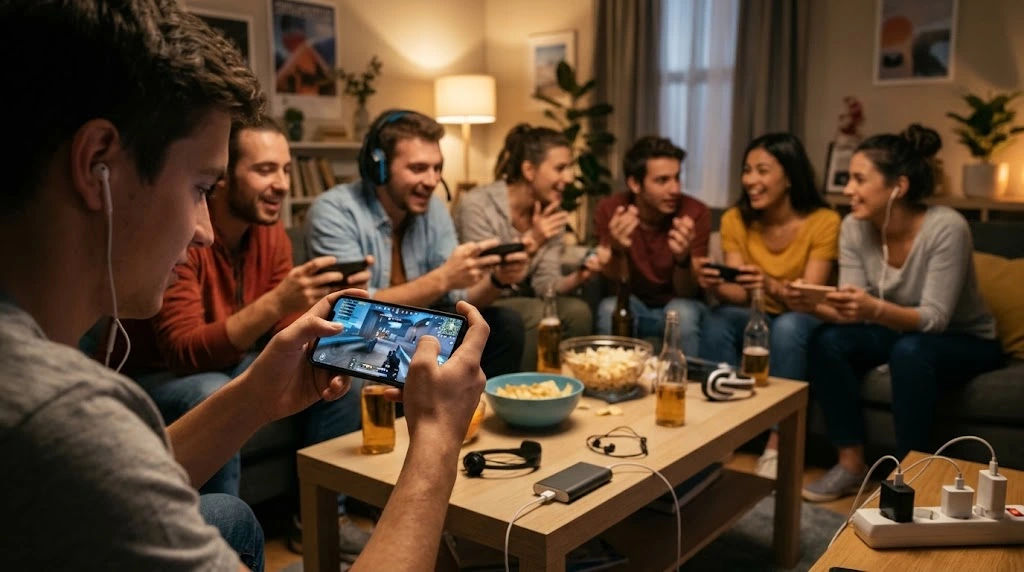 Many people wonder whether mobile gaming can interfere with their ability to fall asleep, reduce sleep quality, or cause tiredness the following day.
Sleep is essential for maintaining physical health, emotional stability, concentration, and overall well-being. When people do not get enough quality sleep, they may experience difficulty focusing, mood changes, reduced productivity, and low energy levels. Although playing games is not necessarily harmful, the timing, duration, and type of games can influence how the brain prepares for rest.
Understanding the relationship between gaming and sleep can help players develop healthier habits. By learning how screen exposure, mental stimulation, and late-night gaming affect the body, individuals can enjoy their favorite activities without unnecessarily sacrificing their sleep.
The Connection Between Gaming and Sleep
Sleep is a natural process that allows the brain and body to recover after daily activities. During sleep, the brain processes information, supports memory, regulates emotions, and helps maintain several important body functions.
Different factors influence sleep quality, including stress, physical activity, diet, room temperature, and exposure to electronic devices. Using smartphones before bedtime can also influence sleeping patterns.
mobile gaming involves more than simply looking at a screen. Players often make quick decisions, solve problems, respond to challenges, and concentrate on changing situations. These activities can keep the brain mentally active, making it difficult for some individuals to relax immediately after playing.
The connection between gaming and sleep depends on several factors. Playing for a short period earlier in the day may have little effect on sleeping habits. However, extended sessions close to bedtime can delay sleep and reduce the time available for rest.
How Mobile Gaming Can Affect Sleep Quality
There are several ways gaming may influence sleep. Understanding these effects can help players recognize unhealthy habits and make better decisions about their screen time.
1. Exposure to Blue Light
Smartphones produce light that includes blue wavelengths. Exposure to bright light during the evening can influence the body's natural sleep-wake cycle.
The human body uses a biological clock, known as the circadian rhythm, to regulate when people feel awake and sleepy. This system responds to environmental signals, particularly light and darkness.
Melatonin is a hormone that helps regulate the sleep cycle. Exposure to light in the evening may interfere with its natural release and make some individuals feel less sleepy.
When someone spends a long time playing games on a bright smartphone screen before bedtime, the exposure may make it harder to transition into a relaxing nighttime routine.
Reducing screen brightness and avoiding unnecessary device use before sleeping can help limit this exposure.
2. Increased Mental Stimulation
Many games require players to think quickly, solve complicated problems, and react to unexpected situations.
Competitive games can be particularly stimulating because players may become emotionally involved in winning, improving their scores, or defeating opponents.
This mental activity can increase alertness. After an exciting gaming session, the brain may need additional time to settle down.
For example, someone who spends an hour playing an intense multiplayer game may find it difficult to fall asleep immediately after putting the phone away.
Choosing calmer activities before bedtime can help the mind prepare for rest.
3. Delayed Bedtime
One of the most common ways gaming affects sleep is by encouraging people to stay awake longer than planned.
Many smartphone games include multiple levels, daily rewards, missions, and competitive challenges. Players may continue playing because they want to complete another task or achieve a particular goal.
A person who plans to play for fifteen minutes might eventually spend an hour or more gaming.
This habit can gradually change sleeping schedules. Going to bed late while maintaining the same morning wake-up time reduces the total amount of sleep.
Maintaining a consistent bedtime is therefore important, especially for students and people with demanding daily schedules.
4. Interrupted Sleep
Gaming-related smartphone habits can sometimes continue after players go to bed.
Notifications, messages, game invitations, and achievement alerts may encourage people to check their devices during the night.
Even brief interruptions can make it harder to maintain uninterrupted sleep.
Some individuals also wake up intentionally to check game updates or participate in online competitions. Repeated nighttime device use can create an unhealthy sleeping routine.
Keeping smartphones away from the bed and disabling unnecessary notifications can reduce these interruptions.
Does the Type of Game Matter?
Not all games affect players in the same way. Different genres involve different levels of mental stimulation, emotional involvement, and competition.
Action and Shooting Games
Action games often involve fast movements, sudden challenges, and quick reactions.
Players must remain alert and respond to changing situations. Competitive shooting games may also create excitement or frustration.
Playing these games immediately before bedtime may make it harder for some people to relax.
Taking a break after an intense session can provide time for the mind to settle down.
Puzzle and Brain Games
Puzzle games usually involve logical thinking, memory, pattern recognition, and problem-solving.
These games can provide enjoyable mental challenges. However, difficult puzzles may encourage players to keep thinking about solutions even after stopping.
Playing relaxing puzzle games earlier in the evening may be a better choice than attempting challenging levels immediately before sleeping.
Racing and Sports Games
Racing and sports games often involve competition, fast decisions, and performance goals.
Players may become excited when competing against other people or trying to improve their personal records.
Although these games can be entertaining, extended sessions late at night may increase alertness.
Casual and Relaxing Games
Casual games generally involve simple controls, familiar activities, and less demanding challenges.
Some people find these games relaxing because they provide a break from daily responsibilities.
However, even relaxing games can affect bedtime if players spend too much time on them.
The duration and timing of play remain important regardless of the game category.
Effects of Poor Sleep on Daily Life
Insufficient sleep can influence several aspects of everyday life. When people regularly sacrifice rest for entertainment, they may experience problems that affect their personal, academic, and professional activities.
Reduced Concentration
Sleep supports attention, learning, and memory. People who do not sleep enough may struggle to concentrate on important tasks.
Students may find it difficult to understand lessons, remember information, or complete assignments.
Adults may also experience reduced productivity and difficulty making decisions.
Changes in Mood
Poor sleep can influence emotional regulation.
People who are tired may become impatient, frustrated, or unusually sensitive to everyday problems.
They may also find it harder to manage stress and maintain positive relationships.
Lower Physical Energy
Sleep provides the body with time to recover and restore energy.
When someone regularly stays awake playing games, they may feel exhausted during the following day.
This tiredness can make ordinary activities feel more difficult and reduce motivation to exercise or participate in social activities.
Reduced Academic and Work Performance
A consistent lack of sleep may affect the ability to learn, remember information, and complete responsibilities.
Students who play games late at night may struggle with morning classes.
Similarly, employees may experience difficulty maintaining attention during working hours.
Developing a balanced routine can help protect both sleep and daytime performance.
How Much Gaming Is Too Much Before Bedtime?
There is no single gaming duration that affects everyone equally. Some individuals may experience sleep difficulties after relatively short sessions, while others may tolerate longer periods without noticing immediate problems.
However, regularly spending several hours playing games at night can increase the likelihood of developing unhealthy sleeping habits.
The most important consideration is whether gaming interferes with bedtime, sleep duration, or daytime responsibilities.
A practical approach is to establish a stopping time at least 30 to 60 minutes before going to bed. People who notice that they remain mentally alert after playing may benefit from taking an even longer break.
Children and teenagers may need additional supervision because they are still developing healthy sleeping routines.
According to the Centers for Disease Control and Prevention, recommended sleep duration varies by age:
-
Children aged 6–12 generally need 9–12 hours.
-
Teenagers aged 13–17 generally need 8–10 hours.
-
Adults aged 18–60 generally need at least 7 hours.
These recommendations demonstrate why protecting sufficient sleeping time should be a priority.
Practical Ways to Enjoy Gaming Without Affecting Sleep
People do not necessarily need to stop playing games to improve their sleeping habits. Instead, they can introduce simple changes that create a healthier balance between entertainment and rest.
1. Establish a Gaming Schedule
Creating a daily gaming schedule can prevent entertainment from interfering with essential activities.
Players should decide when they will start and stop playing. Setting a specific time limit makes it easier to manage screen exposure.
For example, someone who needs to sleep at 10:30 p.m. could finish gaming by 9:00 p.m. and spend the remaining time preparing for bed.
A consistent schedule can also prevent unexpected late-night gaming sessions.
2. Avoid Competitive Games Before Bedtime
Competitive games can create excitement, frustration, and emotional involvement.
Instead of playing intense games late at night, players can choose quieter activities during the evening.
Reading, listening to relaxing music, or doing gentle stretching may help the body transition toward sleep.
3. Reduce Screen Brightness
Keeping smartphone brightness at a comfortable level can reduce unnecessary exposure to bright light.
Many smartphones also include nighttime display settings that adjust screen colors and brightness.
These features may improve viewing comfort, although they do not completely eliminate the potential effects of late-night screen use.
Limiting screen time remains more important than relying entirely on display settings.
4. Disable Unnecessary Notifications
Game notifications can encourage players to return to their phones even when they are preparing to sleep.
Turning on Do Not Disturb mode can prevent unnecessary alerts from interrupting nighttime routines.
Players can also disable notifications from games that regularly send promotional messages, reminders, or competitive updates.
5. Keep Smartphones Away From the Bed
Keeping a phone beside the pillow makes it easier to start another gaming session or check notifications during the night.
Placing the device on a desk or charging station away from the bed can reduce this temptation.
This simple habit can help create a bedroom environment that is more suitable for sleeping.
6. Develop a Relaxing Nighttime Routine
A consistent nighttime routine signals to the body that the day is coming to an end.
People can develop simple habits such as:
-
Taking a warm shower.
-
Reading a physical book.
-
Preparing clothes for the following day.
-
Practicing slow breathing.
-
Listening to peaceful music.
-
Keeping bedroom lights dim.
These activities can replace late-night screen use and make bedtime more predictable.
The Role of Parents in Managing Children's Gaming Habits
Parents play an important role in helping children develop healthy technology habits.
Children may find it difficult to stop playing games, especially when their favorite activities involve rewards, competitions, and social interaction.
Without clear boundaries, gaming can gradually take priority over homework, outdoor activities, family time, and sleep.
Parents can introduce household rules that encourage responsible screen use.
Create Clear Screen-Time Rules
Establishing clear expectations helps children understand when gaming is appropriate.
Parents can decide which hours are suitable for entertainment and when electronic devices should be switched off.
These rules should remain consistent during weekdays and weekends.
Encourage Other Activities
Children benefit from participating in different activities rather than spending all their free time using smartphones.
Sports, reading, creative hobbies, outdoor play, and family activities provide valuable alternatives.
A balanced routine can help children understand that gaming is only one form of entertainment.
Keep Devices Outside Bedrooms at Night
Removing smartphones and gaming devices from children's bedrooms can reduce late-night distractions.
Parents can establish a shared charging area where family members leave their devices before bedtime.
This approach also helps adults demonstrate healthy technology habits.
Can Gaming Ever Support Relaxation?
Although excessive gaming can interfere with sleep, playing games is not always stressful or harmful.
Some games provide enjoyable challenges and opportunities to relax after a demanding day.
Casual games may help individuals temporarily shift their attention away from daily worries. Multiplayer games can also encourage communication and social connections.
However, relaxation depends on the type of game and the player's response.
A person who becomes frustrated by difficult levels or competitive matches may experience the opposite effect.
It is important to recognize the difference between enjoyable entertainment and gaming habits that create stress or interfere with rest.
Moderation, appropriate timing, and personal awareness can make gaming a more balanced activity.
Warning Signs That Gaming Is Affecting Your Sleep
Recognizing early warning signs can help individuals make changes before unhealthy habits become difficult to manage.
Some common signs include:
Difficulty falling asleep: You regularly remain awake for a long time after finishing a gaming session.
Staying up later than planned: You repeatedly delay bedtime because you want to complete another level or match.
Feeling tired in the morning: You wake up feeling exhausted despite spending time in bed.
Checking your phone during the night: You wake up to view gaming notifications or updates.
Losing interest in other activities: Gaming begins replacing exercise, social interaction, studies, or other responsibilities.
Poor daytime concentration: You struggle to focus because you regularly sleep late.
If these patterns continue, consider reducing nighttime screen exposure and establishing a consistent sleeping schedule.
Persistent sleep difficulties should also be discussed with a qualified healthcare professional.
What Does Research Say About Gaming and Sleep?
Research increasingly recognizes that digital media habits can influence sleep health, particularly among children and teenagers.
A 2024 consensus statement published in the journal Sleep Health by the National Sleep Foundation examined research on screen use, screen content, and sleep across different age groups.
The expert panel concluded that general screen use and the content consumed before bedtime can negatively affect sleep health in children and adolescents.
The researchers also highlighted that behavioral strategies can help reduce some potential negative effects.
A 2026 technical report published by the American Academy of Pediatrics discusses how specific digital activities, including video gaming, may contribute to shorter sleep duration and poorer sleep quality among children and teenagers.
These findings suggest that the relationship between digital entertainment and sleep involves more than screen brightness alone. Mental stimulation, engaging content, extended sessions, and bedtime habits also deserve attention.
However, it is important to understand that not every person experiences the same effects. Age, individual sensitivity, lifestyle, and existing sleeping patterns can influence the outcome.
Building a Healthy Balance Between Gaming and Sleep
A healthy lifestyle does not require completely avoiding digital entertainment. Instead, individuals should learn how to manage their time and recognize when gaming begins affecting important daily responsibilities.
One useful approach is to prioritize essential activities before entertainment.
Students should complete their homework, adults should manage their responsibilities, and everyone should protect sufficient time for rest.
Players can also monitor their daily habits by recording when they start gaming, when they stop, and how they feel the following morning.
If sleep quality improves after reducing nighttime screen exposure, this may indicate that previous gaming habits were interfering with rest.
Consistency is important. Making small improvements every day is often more sustainable than attempting to change every habit immediately.
Conclusion
Mobile gaming can affect sleep quality, particularly when people spend extended periods playing games shortly before bedtime. Bright screens, mental stimulation, competitive excitement, delayed bedtimes, and nighttime notifications can all contribute to unhealthy sleeping patterns.
However, the effects are not identical for everyone. The type of game, duration of play, individual sensitivity, and overall lifestyle can influence how gaming affects rest.
The best solution is to develop responsible entertainment habits. Players should establish reasonable screen-time limits, avoid stimulating games before bedtime, reduce unnecessary notifications, and maintain a consistent sleeping schedule.
Parents should also guide children toward balanced technology use by creating clear rules and encouraging activities beyond smartphone entertainment.
Ultimately, enjoying games and maintaining good sleep are not mutually exclusive. With proper time management and healthy nighttime routines, people can continue enjoying their favorite digital activities while protecting their physical health, concentration, and emotional well-being.