
Bathroom remodeling is an excellent opportunity to improve the comfort, appearance, and functionality of your home. However, one important detail homeowners should never overlook is waterproofing. Bathrooms are exposed to water, humidity, steam, and frequent temperature changes. Without proper protection, moisture can slowly damage walls, floors, ceilings, and structural materials. 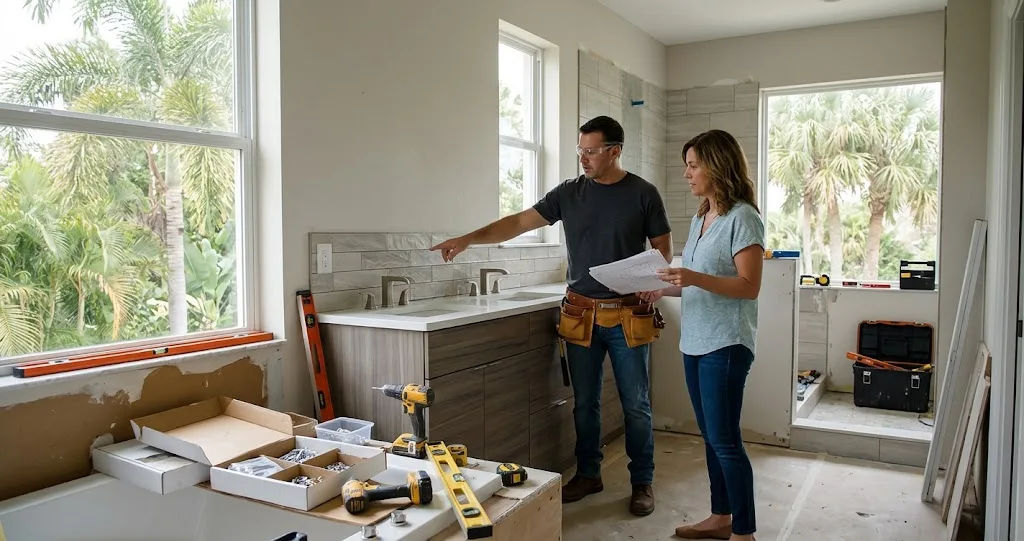 This can lead to expensive repairs and unhealthy indoor conditions.
Waterproofing is particularly important in areas where showers, bathtubs, sinks, and toilets are used daily. Even a small leak behind a tiled wall can cause significant damage over time. Many homeowners focus on choosing attractive tiles, modern fixtures, and stylish cabinets, but protecting the surfaces underneath is just as important.
When planning bathroom remodeling Jacksonville FL, waterproofing should be considered an essential part of the project rather than an optional upgrade. Jacksonville's warm, humid climate makes moisture management especially important. High humidity can slow drying times and encourage mold growth when water becomes trapped behind building materials.
Understanding how waterproofing works, where it is needed, and which materials provide reliable protection can help homeowners make better remodeling decisions. A properly waterproofed bathroom not only looks beautiful but also remains safer, stronger, and easier to maintain for years.
Why Is Waterproofing Important During Bathroom Remodeling?
Waterproofing creates a protective barrier that prevents water from entering surfaces and structural materials. Bathrooms experience regular water exposure, making them more vulnerable to moisture-related problems than many other rooms.
Without adequate waterproofing, water can travel through grout lines, small cracks, plumbing connections, and poorly sealed joints. Once moisture enters these areas, it may remain hidden for months before visible damage appears bathroom remodeling Jacksonville FL.
Prevents Structural Water Damage
Water can gradually weaken several materials used in bathroom construction. Wooden framing, drywall, plywood, and other building components may absorb moisture when exposed to leaks.
Over time, this can cause wood to swell, drywall to deteriorate, and flooring materials to lose their strength.
Waterproofing helps prevent moisture from reaching these vulnerable materials. It creates a protective layer between water-exposed surfaces and the underlying structure.
Reduces Mold and Mildew Growth
Mold and mildew develop in damp environments, especially when moisture remains trapped in dark spaces with limited ventilation.
Bathrooms provide suitable conditions for mold growth because showers and baths produce substantial amounts of humidity.
Mold may develop behind tiles, beneath flooring, around bathtubs, or inside wall cavities. Some growth is difficult to notice until unpleasant odors or discoloration appear.
A properly waterproofed bathroom helps limit the moisture that supports mold development.
Protects Your Remodeling Investment
Bathroom renovations can involve considerable expenses. Homeowners may invest in premium tiles, modern showers, new bathtubs, upgraded plumbing, and custom vanities.
Unfortunately, moisture damage can affect these improvements.
For example, water entering beneath a tiled floor may loosen tiles and damage the supporting surface. Repairing the problem could require removing recently installed materials.
Waterproofing protects these investments by reducing the possibility of hidden water damage.
Does Jacksonville's Climate Make Waterproofing More Necessary?
Jacksonville has a warm, humid climate, which makes moisture management an important consideration for homeowners.
Humidity can enter bathrooms through outdoor air, especially when windows are opened or ventilation systems are inadequate. Showering and bathing add even more moisture to the indoor environment.
These conditions can make bathrooms slower to dry, particularly when they have limited ventilation.
High Humidity Can Increase Moisture Problems
Humidity does not automatically cause water damage, but it can contribute to conditions that encourage mold and mildew.
When bathroom surfaces remain damp for extended periods, moisture-related problems become more likely.
Proper waterproofing, combined with effective ventilation, helps control these risks.
Heavy Rainfall Makes Exterior Protection Important
Jacksonville experiences periods of heavy rainfall, particularly during its rainy season.
Although bathroom waterproofing primarily protects interior surfaces, exterior moisture problems should also be considered during a renovation.
Damaged roofing, poorly sealed windows, and exterior wall leaks can introduce water into bathroom spaces.
Homeowners should investigate existing moisture problems before installing new finishes.
Air Conditioning Does Not Replace Waterproofing
Many Jacksonville homes use air conditioning to control indoor temperatures and humidity.
However, air conditioning alone cannot protect bathroom walls and floors from direct water exposure.
Waterproof membranes, sealed joints, proper drainage, and suitable ventilation remain necessary.
Which Bathroom Areas Need Waterproofing?
Not every bathroom surface experiences the same amount of water exposure. Some areas require stronger protection because they regularly come into contact with water.
Identifying these locations helps contractors develop an effective waterproofing plan.
Shower Walls and Floors
Shower areas require particularly careful waterproofing because they receive frequent and direct water exposure.
Water can enter through grout joints, corners, plumbing openings, and connections between walls and floors.
A waterproof membrane should be installed behind or beneath the finished surface according to the selected waterproofing system.
Important areas include:
-
Shower walls and floor surfaces.
-
Corners where two walls meet.
-
Connections between walls and shower floors.
-
Shower niches and built-in shelves.
-
Areas surrounding shower valves and plumbing fixtures.
-
Connections around drains.
Special attention should be given to corners and openings because these locations are more vulnerable to leaks.
Bathroom Floors
Bathroom floors experience water from showers, sinks, wet towels, and occasional plumbing leaks.
Waterproofing beneath floor tiles can help prevent moisture from reaching the subfloor.
This is especially important in bathrooms with wooden subfloors because prolonged exposure to water can cause swelling, deterioration, and structural problems.
Floor waterproofing should also connect properly with the surrounding wall protection.
Bathtub Surrounds
Bathtub areas need protection because water frequently splashes onto nearby walls and surrounding surfaces.
The walls around a bathtub should have an appropriate waterproofing system, especially when the bathtub is also used as a shower.
Sealant should be applied around the tub-to-wall connection using products suitable for bathroom applications.
Homeowners should also inspect plumbing connections and faucet openings for possible leaks.
Areas Around Sinks and Toilets
Sinks and toilets may not require the same extensive waterproofing system as shower enclosures, but they still need appropriate moisture protection.
Water can escape from supply lines, drain connections, faucets, and toilet seals.
Suitable flooring materials, properly sealed joints, and well-installed plumbing connections help reduce the possibility of damage.
What Waterproofing Materials Are Used in Bathroom Remodeling?
Several waterproofing products are available for residential bathrooms. The right choice depends on the bathroom layout, construction materials, water exposure, and installation requirements.
A qualified contractor should select a complete waterproofing system rather than combining unrelated products without considering compatibility.
Liquid Waterproofing Membranes
Liquid waterproofing membranes are applied to prepared surfaces using brushes, rollers, or other suitable application tools.
Once cured, the material forms a continuous protective layer.
These products are popular because they can cover irregular surfaces and reach corners that may be difficult to protect with rigid materials.
Their performance depends on proper surface preparation, application thickness, drying time, and manufacturer instructions.
Sheet Waterproofing Membranes
Sheet membranes are flexible waterproofing materials installed over suitable wall or floor surfaces.
Individual sheets are connected using approved seams, adhesives, or overlapping methods depending on the product.
They provide consistent coverage when installed correctly.
Sheet systems are commonly used in tiled shower installations because they create a protective layer beneath the finished surface.
Waterproof Backer Boards
Waterproof backer boards provide a suitable foundation for certain bathroom wall installations.
Some boards are manufactured with waterproof properties, while others are water-resistant and require additional membrane protection.
It is important to understand the difference.
A water-resistant board should not automatically be treated as a complete waterproofing system. All joints, penetrations, and connections must follow the manufacturer's installation requirements.
Waterproofing Sealants
Sealants are used around joints, plumbing fixtures, bathtub edges, and other connections.
Silicone sealants designed for bathroom applications can help prevent water from entering small gaps.
However, sealant should not replace a properly installed waterproof membrane.
It is a supporting material rather than a complete solution for protecting shower walls and floors.
What Is the Difference Between Waterproofing and Water Resistance?
These terms are often used interchangeably, but they do not mean exactly the same thing.
Understanding the difference helps homeowners select suitable materials during a renovation.
Water-Resistant Materials
Water-resistant materials can tolerate limited moisture exposure without immediately becoming damaged.
For example, certain bathroom wallboards and flooring products are designed to handle humid conditions.
However, they may not prevent water from passing through them when exposed to prolonged or direct water contact.
Waterproof Materials
Waterproofing systems are designed to prevent water from passing through protected surfaces when installed according to their specifications.
A properly installed membrane creates a barrier that protects the underlying construction.
This distinction matters in shower enclosures and other areas with regular direct water exposure.
Homeowners should ask contractors whether the proposed system is designed for the specific application.
How Is Bathroom Waterproofing Installed?
Proper installation is just as important as choosing quality materials.
Even an expensive waterproofing product can fail when surfaces are poorly prepared or installation instructions are ignored.
The following steps explain how a typical bathroom waterproofing process works.
Step 1: Inspect the Existing Bathroom
Before beginning construction, the contractor should examine the existing bathroom for signs of moisture damage.
Common warning signs include:
-
Peeling paint.
-
Cracked tiles.
-
Loose grout.
-
Soft flooring.
-
Musty odors.
-
Discolored ceilings or walls.
-
Visible plumbing leaks.
Any existing damage should be investigated and repaired before new materials are installed.
Step 2: Prepare the Surfaces
The surfaces receiving waterproofing must be clean, stable, and suitable for the selected product.
Dust, loose materials, grease, and damaged sections should be removed.
Uneven areas may require repair to provide a suitable foundation.
Proper preparation improves membrane adhesion and helps prevent installation failures.
Step 3: Install the Waterproofing System
The contractor applies or installs the selected waterproofing membrane.
Corners, joints, plumbing openings, and other vulnerable locations receive particular attention.
The membrane must be installed at the recommended thickness or according to the manufacturer's specifications.
Different waterproofing systems have different installation requirements, so contractors should avoid using one general method for every product.
Step 4: Allow Proper Curing
Waterproofing products often require a specific curing or drying period.
Installing tiles before the membrane is ready can affect its performance.
Contractors should follow the product manufacturer's instructions rather than rushing the project to finish sooner.
Step 5: Test the Waterproofing
Certain shower installations require a flood test before tiles are installed.
During this process, the shower base is filled with water to an appropriate testing level, and the water level is monitored for signs of leakage.
The exact procedure and testing requirements depend on the installation system and applicable local standards.
Testing can help identify problems before the finished surfaces conceal the waterproofing layer.
Step 6: Install the Finished Surfaces
After the waterproofing system has passed the required checks and is ready for the next stage, the contractor can install tiles or other approved finishes.
Grout, sealant, and finishing materials should be selected for bathroom use.
The finished installation should allow water to drain properly without collecting in unwanted areas.
Common Waterproofing Mistakes Homeowners Should Avoid
Waterproofing problems often result from poor installation practices rather than unsuitable products.
Understanding common mistakes can help homeowners protect their renovation investment.
Using Regular Drywall in Wet Areas
Standard drywall is not designed for continuous direct water exposure.
Installing it in a shower without an appropriate approved waterproofing assembly can create serious moisture problems.
Contractors should use suitable substrates and waterproofing systems for the intended application.
Depending Only on Grout
Grout fills the spaces between tiles, but it should not be considered the primary waterproofing barrier.
Water can pass through cement-based grout and reach the material underneath.
A suitable membrane should provide the actual waterproofing protection.
Ignoring Corners and Joints
Corners, wall connections, and plumbing openings are common locations for leaks.
If these areas are not sealed properly, water may enter behind the finished surfaces.
Contractors should use compatible corner pieces, reinforcing materials, and sealing methods where required.
Rushing the Installation
Waterproofing products need appropriate preparation, application, and curing time.
Rushing these steps can reduce the effectiveness of the system.
Homeowners should allow enough time for the contractor to complete every stage properly.
Choosing Contractors Based Only on Price
A low renovation estimate may seem attractive, but it does not always include essential waterproofing work.
Homeowners should compare project details instead of looking at the total price alone.
A professional estimate should explain which waterproofing products will be used, where they will be installed, and how the work will be inspected.
How Much Does Bathroom Waterproofing Cost in Jacksonville, FL?
The cost of waterproofing depends on several factors, including bathroom size, material selection, surface condition, and installation complexity.
A small bathroom with a straightforward shower enclosure will generally require less work than a large bathroom with multiple wet areas.
Factors That Affect Waterproofing Costs
Some important cost considerations include:
-
Bathroom size: Larger bathrooms may require more waterproofing material and labor.
-
Surface preparation: Damaged walls and floors may need repairs before installation.
-
Material selection: Sheet membranes, liquid membranes, and specialized systems have different costs.
-
Bathroom design: Custom showers, niches, benches, and multiple corners require additional attention.
-
Labor requirements: Detailed installations may take longer and require specialized experience.
-
Plumbing repairs: Existing leaks or damaged connections can increase project expenses.
Why Quality Waterproofing Can Save Money
Waterproofing adds to the initial renovation budget, but it can help prevent expensive repairs later.
Replacing damaged tiles, repairing subfloors, removing mold-contaminated materials, and fixing hidden plumbing leaks can become costly.
Spending money on proper protection during the remodeling stage may reduce the likelihood of these problems.
Homeowners should request detailed written estimates and compare the materials and labor included in each proposal.
How to Choose a Reliable Bathroom Remodeling Contractor
Selecting the right contractor is essential for achieving a successful renovation.
Waterproofing requires attention to technical details, so homeowners should choose professionals who understand bathroom construction and moisture management.
Check Licensing and Insurance
Ask whether the contractor holds the required Florida licensing for the work being performed.
Verify appropriate insurance coverage before allowing construction to begin.
These precautions help homeowners make more informed hiring decisions.
Ask About Waterproofing Experience
Not every remodeling professional has the same level of experience with waterproofing systems.
Ask about previous bathroom projects and the materials used in shower and floor installations.
A knowledgeable contractor should be able to explain the proposed waterproofing method in simple terms.
Request a Detailed Project Estimate
A written estimate should explain the scope of the renovation.
It should identify waterproofing materials, preparation work, installation procedures, and any relevant testing.
Clear documentation helps prevent misunderstandings during construction.
Discuss Warranties
Ask whether the contractor provides a workmanship warranty and whether the waterproofing products have manufacturer warranties.
Understand what each warranty covers and whether specific maintenance requirements apply.
Homeowners should keep product information, receipts, and project photographs for future reference.
How Can Homeowners Maintain a Waterproof Bathroom?
Even a professionally waterproofed bathroom requires regular maintenance.
Routine care helps preserve the finished surfaces and makes it easier to identify developing problems.
Inspect Grout and Sealant Regularly
Check grout lines and silicone joints for cracks, gaps, or deterioration.
Replace damaged sealant with a suitable bathroom product.
Remember that repairing surface sealant does not correct a failed membrane or hidden plumbing leak.
Keep the Bathroom Ventilated
Use an exhaust fan during showers and for an appropriate period afterward.
Good ventilation helps remove excess humidity and allows surfaces to dry more quickly.
Clean the fan regularly to maintain effective airflow.
Repair Plumbing Leaks Quickly
Small leaks can cause significant damage when ignored.
Inspect faucets, shower valves, toilet connections, and visible supply lines periodically.
Arrange professional repairs whenever a leak is discovered.
Clean Wet Surfaces
Remove standing water when practical, especially around shower corners and bathtub edges.
Use cleaning products that are suitable for the installed tile, grout, and sealant.
Avoid harsh chemicals that may damage protective finishes.
Watch for Early Warning Signs
Pay attention to musty smells, loose tiles, recurring damp spots, and peeling paint.
These symptoms may indicate hidden moisture problems.
Investigating them early can prevent more extensive repairs.
Is Waterproofing Required by Building Standards?
Bathroom waterproofing requirements depend on the type of construction, the specific installation, and applicable building regulations.
Florida follows an established building code framework, and Jacksonville projects must comply with the applicable local requirements.
Certain wet-area installations require approved waterproofing methods, suitable substrates, and appropriate drainage arrangements.
Homeowners should not assume that every bathroom surface requires the same waterproofing treatment.
For example, a shower enclosure has different moisture exposure requirements from a decorative wall outside the shower.
Before starting a renovation, ask the contractor to explain which code requirements apply to the project.
You can also consult the Florida Building Commission through its official website at Florida Building Commission.
The City of Jacksonville's building and inspection information is available through City of Jacksonville official website.
Professional guidance helps ensure that the selected waterproofing system meets applicable standards and manufacturer requirements.
Conclusion
Waterproofing is an essential consideration when planning a bathroom renovation. Bathrooms experience frequent water exposure, and even small amounts of moisture can cause serious damage when they enter walls, floors, and other building materials.
For homeowners considering bathroom remodeling Jacksonville FL, investing in proper waterproofing can help protect their property against leaks, mold growth, damaged flooring, and costly structural repairs. Jacksonville's humid climate makes moisture control especially important, so waterproofing should be included in the renovation plan from the beginning.
Shower walls, shower floors, bathtub surrounds, and bathroom flooring deserve particular attention. Choosing suitable waterproofing membranes, preparing surfaces correctly, sealing vulnerable connections, and allowing adequate curing time can significantly improve the reliability of the finished bathroom.
It is equally important to work with an experienced contractor who understands local building requirements and follows the manufacturer's installation instructions. Homeowners should request detailed estimates, ask about waterproofing methods, and make sure appropriate testing is completed before finished surfaces are installed.
After the renovation, regular maintenance also plays an important role. Keeping the bathroom ventilated, checking grout and sealant, repairing plumbing leaks, and investigating moisture warning signs can help preserve the results.
Ultimately, a beautiful bathroom should offer more than attractive tiles and modern fixtures. It should also provide lasting protection against moisture. By making waterproofing a priority, homeowners can create a comfortable, durable, and functional bathroom that remains in excellent condition for many years.