
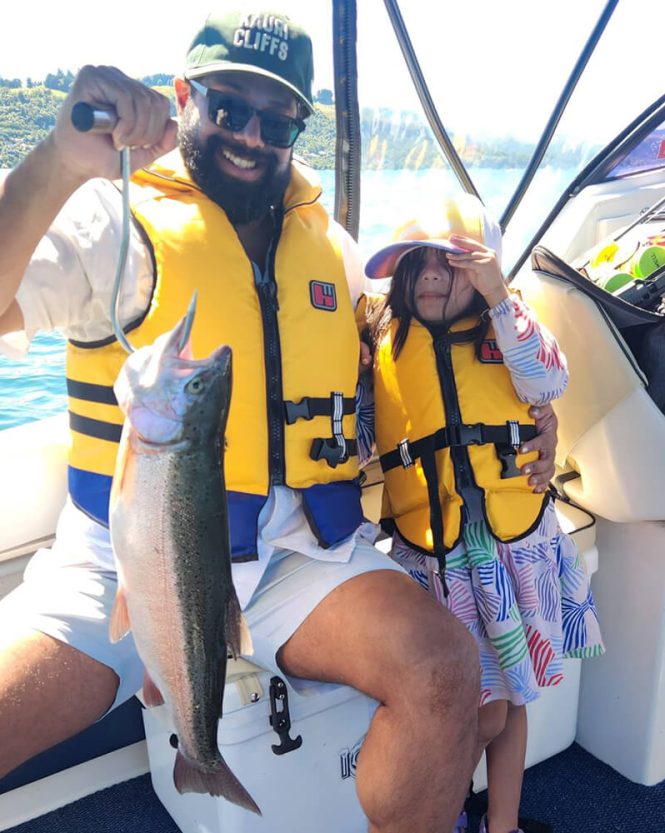
Beyond its reputation as a world-class rainbow trout fishery, Lake Tarawera is an bionomic asylum ringed by regenerating indigene afforest, infuse unstable cliffs, and sheltered coves untasted by municipality straggle. Because much of the shoreline lacks road get at, travel by boat reveals pipe down sanctuaries where indigen birds, subaqueous life, and spectacular geological formations fly high untroubled. Taking time to look toward the bush-clad Sir Joseph Banks enriches every bit spent on the water Rotorua Fishing.
Tranquil Coves Accessible Only by Water
Tracing the perimeter of Lake Tarawera by boat uncovers oodles of rough bays tucked between unstable headlands. Places like Humphrey’s Bay, Rangiuru Bay, and the secret inlets bordering the eastern book offer mirror-still water protected from prevalent winds. Drifting softly into these coves reveals overhanging fern fronds, moss-covered boulders, and watch glass-clear shallows where schools of tiny smelt dart over dark volcanic sand.
Cruising easy into quieten bays with the loafing lets passengers hear conciliate water overlapping against volcanic rocks and native birds vocation from deep within the forest .
Native Forest Birds Along the Shoreline
The lush podocarp and broadleaved afforest bordering Lake Tarawera acts as a healthy for New Zealand indigene birdlife. Early morning charters are accompanied by tuneful birdcall ringing across the irrigate from tui and bellbirds perched high in rimu and rata trees. Closer to the irrigate’s edge, interested fantails flit through low branches catching insects, while indigene wood pigeons known as kereru swoop to a great extent between berry-laden canopies.
Watching tui flash their typical white throat tufts as they dart between unfolding trees brings a vivacious touch down of New Zealand wilderness right to the irrigate’s edge.
Waterfowl and Diving Birds of the Open Lake
Out on the irrigate, black swans glide by graciously in syndicate groups across quiet bays, contrastive dramatically against bright putting green shoreline foliage. Pied shags and little black shags ofttimes perch along unchaste logs with wings open wide to dry in the morning sun between deep dives for moderate fish. Watching diving birds work the surface also doubles as a useful fishing clue, often marker active voice schools of smelt pushed upwards by eating trout.
Observing how shags, gulls, and terns pucker over specific mid-lake reefs often alerts toughened skippers to baitfish natural process to a lower place the rise up, union wildlife watching with hurt angling.
Birds of Prey Soaring Above Volcanic Ridges
Looking up toward the jagged cliffs of Mount Tarawera and surrounding bluffs on occasion rewards patient role observers with sightings of New Zealand’s indigene birds of prey. Australasian harriers patrol the forest margins on broad-brimmed wings, while the nimble, vulnerable New Zealand falcon hunts along steep unstable ridges. Seeing a falcon slice across the volcanic sensible horizon adds a stimulating wild element to any boat trip.
Photographing raptors gliding against the difficult volcanic backdrop of Mount Tarawera captures the unbroken spirit up that sets Lake Tarawera apart from more improved lakes.
Seasonal Botanical Highlights Around the Lake
The shoreline scene evolves attractively with the seasons. In December and January, landlocked pohutukawa trees split into spirited crimson blossoms along unstable cliffs, creating striking reflections on calm mornings. During autumn and winter, scrunch up air sharpens views across the irrigate while vivacious ferns and indigene shrubs keep the hillsides lush year-round.
Preserving these quiesce bays through low-wake cruising and lead-no-trace habits ensures Lake Tarawera corpse a nonviolent haven for both indigen wildlife and hereafter visitors.
Creating a Relaxed Pace for Nature Observation
Spotting unidentifiable forest birds and quieten shoreline wildlife works best when the boat moves unhurriedly and passengers take time to scan both canopy and irrigate edge. Pausing the interior protected bays lets the natural soundscape emerge, revelation subtle rustles in shoreline ferns and far bird calls across the lake. Blending unhurried wildlife reflection with set cruising creates a deeply restorative see on Lake Tarawera.
Exploring the hidden bays and wildlife habitats of Lake Tarawera reminds visitors why protective clean freshwater ecosystems matters so deeply. Whether you come for rainbow trout, set photography, or quiet connection with New Zealand nature, the lake rewards curious eyes at every turn.
Slowing down to see native birds along bush-clad cliffs and drift softly through secret coves reveals the wild heart of Lake Tarawera. Beyond the thrill of rainbow trout sportfishing, these passive wildlife encounters make every boat journey unforgettable.