
A middle eastern appetizers platter is one of the most colorful and flavorful ways to serve food. It combines fresh vegetables, creamy dips, warm bread, savory bites, pickles, olives, cheeses, and grilled favorites into one beautiful spread.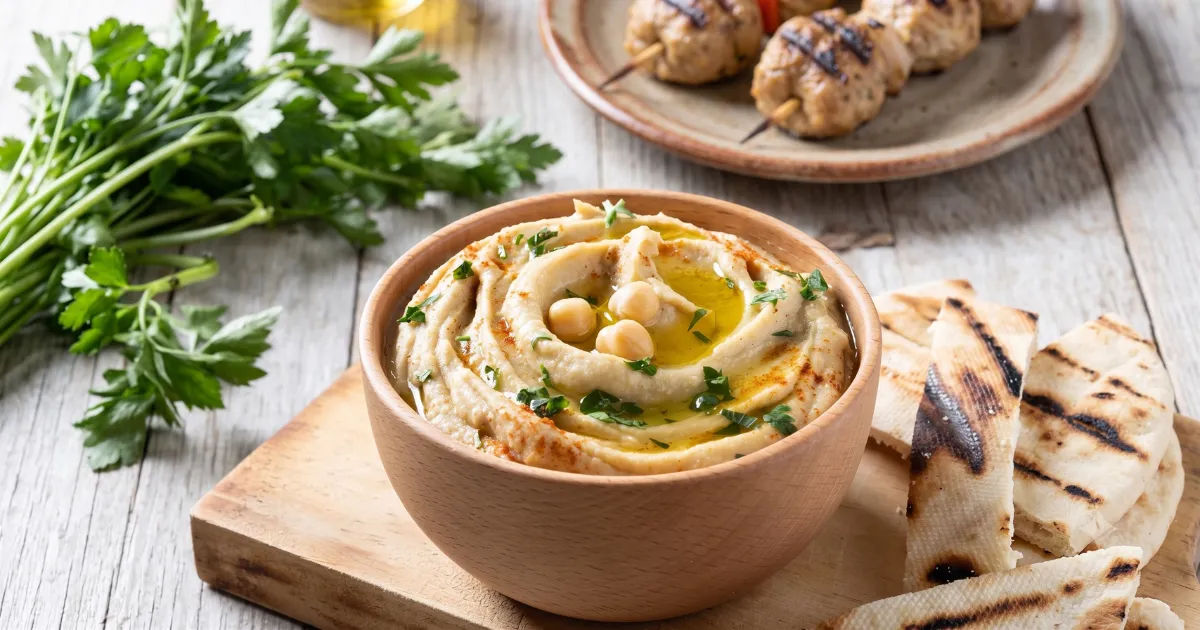
Whether you are hosting a family gathering, planning a dinner party, or preparing a festive holiday meal, a well-balanced platter offers something for everyone.
The beauty of middle eastern appetizers is their variety. Every bite introduces a different combination of textures and flavors. Creamy hummus pairs perfectly with crunchy vegetables, smoky eggplant dip complements warm pita bread, and crispy pastries contrast with fresh herbs and tangy pickles.
Instead of serving one large dish, guests can enjoy many small portions that encourage sharing and conversation.This guide explains everything that belongs on a traditional Middle Eastern appetizers platter. From classic dips to fresh salads and grilled specialties, you'll learn how to build an authentic platter that looks inviting and tastes delicious.
What Is a Middle Eastern Appetizers Platter?
A Middle Eastern appetizers platter is a collection of small dishes served before the main course or enjoyed as a complete meal. In many Middle Eastern cultures, these small dishes are presented together so guests can sample a wide range of flavors.
The platter often includes creamy dips, warm bread, stuffed vegetables, cheeses, olives, nuts, fresh herbs, salads, and grilled meats. Every region has its own traditions, but hospitality remains the heart of every platter.
Unlike many appetizer trays that focus on fried snacks, middle eastern appetizers celebrate fresh ingredients, healthy fats, aromatic herbs, legumes, and simple preparation.
Why Are Middle Eastern Appetizers So Popular?
People around the world enjoy Middle Eastern cuisine because it combines nutrition with incredible flavor.
Some reasons these appetizers are loved include:
-
Fresh ingredients
-
Healthy recipes
-
Rich variety
-
Beautiful presentation
-
Vegetarian-friendly options
-
Easy sharing
-
Balanced flavors
-
Colorful appearance
-
Great for parties
-
Suitable for every season
A single platter can satisfy many dietary preferences while looking impressive on the table.
Essential Dips for the Platter
Creamy dips are usually the centerpiece of middle eastern appetizers.
Hummus
Hummus is perhaps the most recognized Middle Eastern dip.
It is made from:
-
Chickpeas
-
Tahini
-
Lemon juice
-
Garlic
-
Olive oil
Its smooth texture makes it perfect for pita bread, vegetables, and grilled meat.
Baba Ganoush
Baba ganoush is made from roasted eggplant blended with tahini, garlic, lemon juice, and olive oil.
Roasting gives the eggplant a rich smoky flavor that balances perfectly with fresh herbs.
Muhammara
Muhammara is a spicy roasted red pepper dip mixed with walnuts and breadcrumbs.
Its sweet, smoky, and slightly spicy flavor makes it unique among traditional dips.
Labneh
Labneh is strained yogurt with a thick, creamy consistency.
It is often topped with:
-
Olive oil
-
Za'atar
-
Mint
-
Sumac
Labneh offers a refreshing contrast to richer dishes.
Fresh Bread Options
Bread connects every item on the platter.
Warm bread allows guests to scoop dips instead of using utensils.
Popular choices include:
Pita Bread
Soft pita bread is the classic option.
It may be served:
-
Warm
-
Toasted
-
Cut into wedges
Saj Bread
This paper-thin bread is soft, flexible, and perfect for wrapping grilled meat.
Flatbread
Many homes prepare simple flatbreads brushed with olive oil and herbs.
Fresh bread should always be replenished throughout the meal.
Fresh Vegetables
Crunchy vegetables add freshness and color.
Common vegetables include:
-
Cucumbers
-
Cherry tomatoes
-
Radishes
-
Bell peppers
-
Carrots
-
Celery
-
Green onions
These vegetables balance creamy dips while adding natural sweetness.
Olives
Olives are one of the oldest foods served throughout the Middle East.
Popular varieties include:
-
Green olives
-
Black olives
-
Stuffed olives
-
Garlic olives
-
Herb-marinated olives
Their salty flavor pairs wonderfully with creamy cheeses.
Pickled Vegetables
Pickles brighten every platter.
Traditional choices include:
-
Pickled cucumbers
-
Pickled turnips
-
Pickled carrots
-
Pickled cauliflower
-
Pickled peppers
Their acidity refreshes the palate between bites.
Fresh Herbs
Fresh herbs are an essential part of middle eastern appetizers.
Common herbs include:
-
Mint
-
Parsley
-
Cilantro
-
Dill
Guests often wrap herbs inside pita bread with cheese or grilled meat.
Cheese Selection
Middle Eastern cheeses are usually mild, salty, and fresh.
Popular options include:
Akkawi
A soft cheese with a gentle salty flavor.
Halloumi
Halloumi can be grilled without melting.
Its golden crust adds texture to the platter.
Feta
Crumbled feta pairs beautifully with tomatoes, cucumbers, and olives.
Stuffed Grape Leaves
Stuffed grape leaves are known for their elegant appearance.
The leaves are filled with mixtures such as:
-
Rice
-
Herbs
-
Lemon
-
Pine nuts
Some versions also include seasoned meat.
These bite-sized rolls are served cold or warm.
Falafel
Falafel is one of the most famous items among middle eastern appetizers.
Made from chickpeas or fava beans, falafel is seasoned with herbs and spices before being fried until crispy.
Falafel pairs well with:
-
Hummus
-
Tahini
-
Pickles
-
Fresh vegetables
Kibbeh
Kibbeh is another traditional favorite.
It combines:
-
Ground meat
-
Bulgur wheat
-
Onions
-
Herbs
-
Spices
Some varieties are baked, while others are fried into football-shaped croquettes.
Sambousek
Sambousek are stuffed pastries filled with:
-
Cheese
-
Spinach
-
Ground meat
They become golden and crispy after baking or frying.
These pastries are perfect finger foods.
Spinach Fatayer
Spinach fatayer are small triangular pies filled with spinach, onions, lemon juice, and spices.
Their slightly tangy filling balances richer foods.
Fresh Salads
Salads provide freshness between heavier dishes.
Tabbouleh
Tabbouleh contains:
-
Parsley
-
Tomatoes
-
Bulgur
-
Mint
-
Lemon juice
-
Olive oil
Its bright flavors refresh the palate.
Fattoush
Fattoush combines vegetables with crispy toasted pita bread.
A tangy dressing flavored with sumac makes it especially refreshing.
Roasted Vegetables
Roasted vegetables add sweetness and warmth.
Popular choices include:
-
Eggplant
-
Zucchini
-
Bell peppers
-
Mushrooms
-
Onions
Roasting enhances their natural flavors.
Grilled Meat Choices
Although many platters are vegetarian, grilled meat is often included.
Common selections include:
Chicken Kebabs
Tender marinated chicken grilled over open flames.
Beef Kebabs
Juicy cubes of beef seasoned with garlic and spices.
Lamb Kebabs
Rich, flavorful lamb pairs beautifully with yogurt sauces.
Serve grilled meat in small portions to keep the platter balanced.
Seafood Additions
Coastal regions sometimes include seafood appetizers.
Options include:
-
Grilled shrimp
-
Marinated fish
-
Fried calamari
Seafood introduces another layer of variety.
Nuts
Nuts provide crunch and healthy fats.
Popular varieties include:
-
Pistachios
-
Almonds
-
Walnuts
-
Pine nuts
Many are lightly roasted and seasoned.
Fresh Fruit
Fresh fruit helps balance salty foods.
Good choices include:
-
Grapes
-
Figs
-
Dates
-
Pomegranate
-
Melon slices
Fruit also adds vibrant color.
Dried Fruits
Dried fruits complement cheese and nuts.
Popular options include:
-
Apricots
-
Raisins
-
Dates
-
Figs
Their natural sweetness contrasts savory foods.
Traditional Sauces
Besides dips, several sauces complete the platter.
Tahini Sauce
Made with sesame paste, lemon juice, garlic, and water.
Garlic Sauce
Creamy garlic sauce pairs especially well with grilled chicken.
Spicy Chili Sauce
A spicy sauce adds heat for guests who enjoy bold flavors.
Popular Seasonings
Seasonings enhance every dish.
Common spices include:
-
Sumac
-
Za'atar
-
Cumin
-
Paprika
-
Coriander
-
Cinnamon
-
Black pepper
Small bowls of seasoning allow guests to customize flavors.
Best Oils to Use
Extra virgin olive oil appears throughout the platter.
It is drizzled over:
-
Hummus
-
Labneh
-
Baba ganoush
-
Salads
-
Bread
Good olive oil enhances nearly every component.
Traditional Drinks
Refreshing beverages complete the meal.
Popular drinks include:
-
Mint lemonade
-
Ayran
-
Fresh juices
-
Herbal tea
-
Black tea
-
Arabic coffee
These beverages balance rich flavors.
How to Arrange the Platter
Presentation matters almost as much as taste.
Start by placing bowls of dips in the center.
Arrange bread around them.
Next, add vegetables, cheeses, olives, pickles, and herbs.
Finish with grilled items, pastries, and colorful garnishes.
A balanced arrangement makes every item easy to reach.
Color Makes the Platter Beautiful
Traditional platters naturally become colorful because they combine many fresh ingredients.
You'll often see:
-
Green parsley
-
Red tomatoes
-
Purple cabbage
-
White labneh
-
Golden falafel
-
Brown kibbeh
-
Pink pickled turnips
The variety creates visual appeal before anyone takes the first bite.
Making the Platter Vegetarian
Vegetarian versions remain incredibly satisfying.
Simply include:
-
Hummus
-
Baba ganoush
-
Muhammara
-
Labneh
-
Falafel
-
Stuffed grape leaves
-
Fresh salads
-
Roasted vegetables
-
Cheese
-
Bread
Guests rarely miss meat because the platter offers so much variety.
Making the Platter Healthier
Healthy adjustments are simple.
Choose:
-
Baked falafel
-
Whole wheat pita
-
Less salt
-
More vegetables
-
More herbs
-
Fresh fruit
-
Roasted instead of fried foods
These small changes increase nutrition while preserving authentic flavors.
Serving Tips
Keep these ideas in mind:
-
Warm the bread before serving.
-
Chill the salads.
-
Use small serving bowls.
-
Garnish with herbs.
-
Add olive oil just before serving.
-
Refill bread throughout the meal.
-
Serve hot foods immediately.
-
Arrange items with different colors together.
These simple techniques improve both appearance and taste.
Common Mistakes to Avoid
Many first-time hosts overcrowd the platter.
Avoid these mistakes:
-
Too much fried food
-
Not enough vegetables
-
Dry bread
-
Too few dips
-
No fresh herbs
-
Missing pickles
-
Poor color balance
-
Serving everything at the same temperature
A balanced platter offers contrast in flavor, texture, and temperature.
Why Sharing Is So Important
Sharing is central to Middle Eastern dining traditions.
Everyone reaches for small portions while enjoying conversation together.
This relaxed style creates warmth and hospitality that guests remember long after the meal ends.
A generous platter encourages people to try new foods while enjoying familiar favorites.
Conclusion
A traditional platter filled with middle eastern appetizers is far more than a collection of small dishes. It represents hospitality, generosity, and the joy of sharing food with family and friends. Every component plays an important role, from creamy hummus and smoky baba ganoush to crisp vegetables, warm pita bread, fresh herbs, tangy pickles, savory pastries, grilled meats, and colorful salads. Together, these ingredients create a balanced meal filled with contrasting textures and vibrant flavors.
Whether you are preparing a simple family dinner or hosting a large celebration, building a thoughtful platter allows everyone to enjoy a little of everything. The combination of fresh ingredients, aromatic spices, healthy options, and beautiful presentation makes these dishes suitable for every occasion. By including a variety of dips, breads, vegetables, cheeses, olives, grilled specialties, and seasonal produce, you can create an authentic spread that captures the essence of Middle Eastern cuisine. With careful preparation and attention to balance, middle eastern appetizers become the highlight of the table and leave guests with a memorable dining experience they will want to enjoy again.