
Summer is the perfect time to enjoy outdoor activities, morning walks, gym sessions, cycling, running, and different sports. However, hot weather can make exercise uncomfortable if you wear clothing that traps heat, absorbs too much sweat, or restricts movement. Choosing the right clothing helps you stay cool, move freely, and enjoy your favorite activities even when temperatures rise.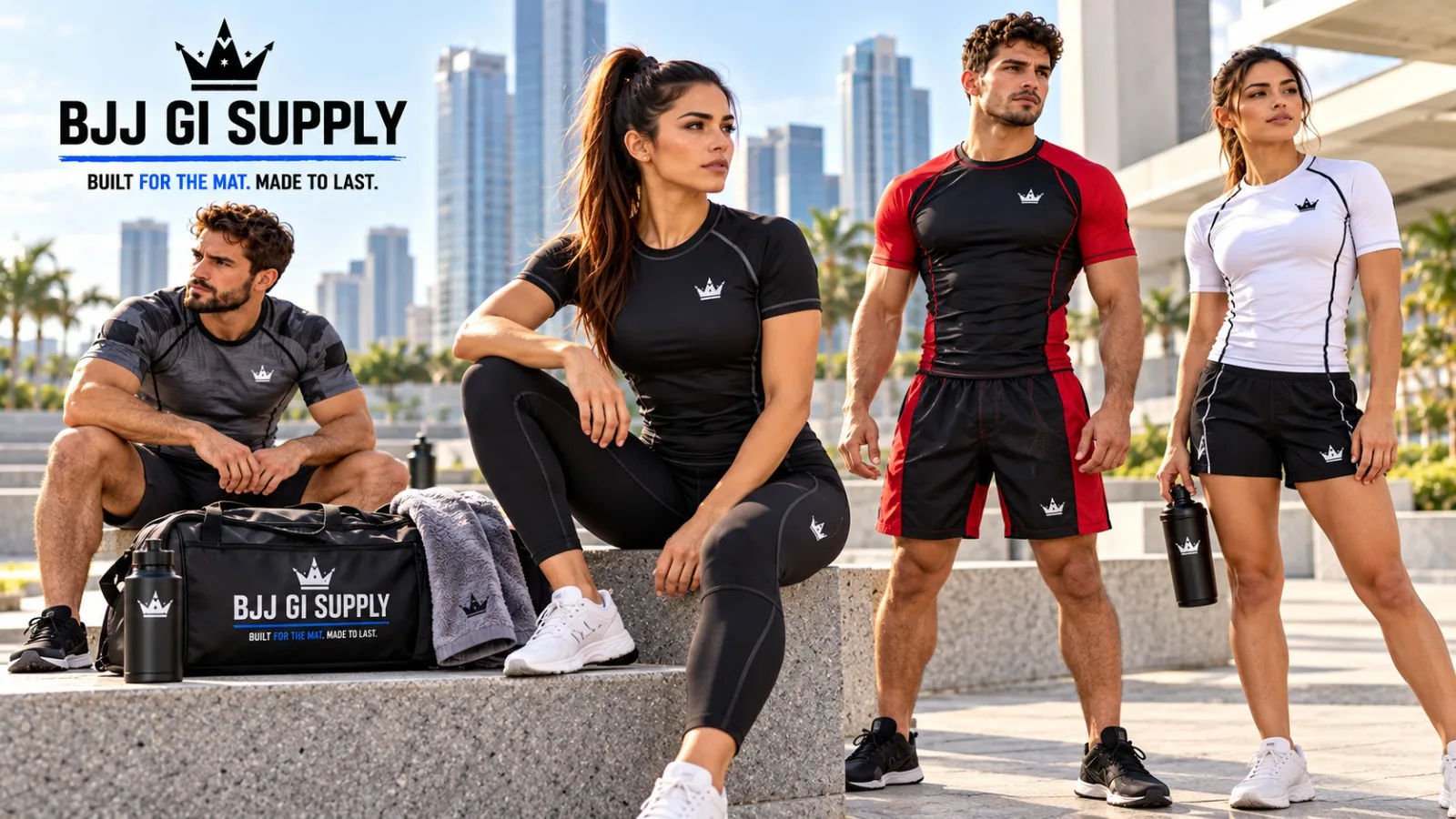
The best summer workout outfits are lightweight, breathable, comfortable, and suitable for your chosen activity. Whether you are exercising indoors or playing sports outdoors, your clothing should help manage sweat while allowing your body to move naturally. Fabric, fit, color, and sun protection are all important factors to consider when building a summer workout wardrobe.
When selecting Sports Wears for hot weather, it is important to look beyond appearance and focus on practical features. The right combination of moisture-wicking materials, comfortable designs, and breathable fabrics can make a noticeable difference in how you feel during exercise. From running shorts and athletic T-shirts to sports bras and lightweight tracksuits, there are plenty of options for different needs and preferences.
This comprehensive guide explains which sportswear items are suitable for summer, which fabrics work best, how to dress for different activities, and what to consider when choosing comfortable workout clothing.
1. Lightweight Athletic T-Shirts
Sports Wears brazilian jiu jitsu gi manufacturers are among the most useful clothing items for summer exercise. They are easy to wear, comfortable for different activities, and available in a wide range of designs.
A good summer sports T-shirt should allow air to circulate and help move sweat away from your skin. This can reduce the uncomfortable feeling of wearing a wet shirt during exercise.
Choose Breathable Fabrics
Polyester performance fabric is a popular choice because it is lightweight, dries relatively quickly, and can be designed to move moisture away from the body.
Technical blends containing nylon or elastane can also provide comfort and flexibility. Look for garments with breathable construction or mesh panels when exercising in particularly hot conditions.
Cotton T-shirts can feel soft and comfortable during light activities. However, cotton absorbs moisture and tends to dry slowly, so a sweat-soaked cotton shirt may become heavy during intense exercise.
Select the Right Fit
A relaxed or regular fit can provide comfortable airflow without getting in the way of movement. However, the best fit depends on your sport and personal preference.
Avoid shirts that are so tight they restrict movement or so loose they interfere with your activity.
Lightweight T-shirts in white, beige, light blue, or other lighter shades can also be useful because they generally absorb less sunlight than darker colors, although fabric thickness and construction also influence heat comfort.
2. Athletic Shorts for Hot Weather
Shorts are an excellent choice for summer workouts because they leave the legs uncovered and allow greater freedom of movement.
They are particularly suitable for running, gym workouts, tennis, badminton, basketball, and casual outdoor training.
Running Shorts
Running shorts are designed to provide comfort during repeated leg movements. Many feature lightweight fabrics, elastic waistbands, and quick-drying construction.
Some designs include inner liners that provide additional support and reduce friction. Others have side splits that allow greater movement during running and sprinting.
Choose a length that feels comfortable and provides enough coverage for your activity.
Training Shorts
Training shorts are useful for gym exercises, bodyweight workouts, and general fitness routines.
Stretchable fabrics allow you to perform squats, lunges, and other movements without unnecessary restriction. Pockets can also be helpful for carrying small essentials, although bulky items should be secured before exercise.
For sports involving frequent contact or specialized movements, choose shorts designed specifically for that activity.
Basketball and Football Shorts
Basketball shorts are often longer and looser, allowing players to jump, run, and change direction comfortably.
Football training shorts are usually lighter and may have a more streamlined shape to support fast movement.
For either sport, breathable materials and a comfortable waistband are more important than simply choosing the shortest or loosest design.
3. Moisture-Wicking Sportswear
Moisture-wicking clothing is particularly useful during summer because sweat can accumulate quickly when temperatures are high.
Instead of allowing moisture to remain against your skin, moisture-wicking fabrics help spread it across the material's surface so it can evaporate more readily.
Why Moisture Management Matters
Sweat helps regulate body temperature through evaporation. Clothing that becomes saturated may feel uncomfortable, cling to the skin, and increase friction.
A suitable performance fabric can help manage moisture, especially during running, cycling, and high-intensity training.
However, moisture-wicking clothing does not eliminate the risk of overheating. Exercise intensity, humidity, hydration, and environmental temperature still matter.
Which Materials Should You Consider?
Polyester and nylon are commonly used in technical workout clothing because they are lightweight and can dry relatively quickly.
Some garments combine these fibers with elastane to improve stretch and fit.
Merino wool can also be suitable for certain athletic activities because it manages moisture and can help control odor. Lightweight merino blends may work well for hiking and outdoor exercise, although they can be more expensive than synthetic options.
Always consider the garment's overall construction, not just the fabric label.
4. Sports Bras and Supportive Athletic Tops
For women who need breast support during exercise, a suitable sports bra can improve comfort and reduce movement-related discomfort.
Summer designs should combine appropriate support with breathable materials and a comfortable fit.
Choose Support Based on Your Activity
Low-impact activities such as walking and gentle yoga may require less support than running, jumping, or high-intensity training.
A medium- or high-support sports bra may be more suitable for activities involving repeated movement.
The best option should feel secure without causing pain, restricting breathing, or digging uncomfortably into the skin.
Look for Breathable Construction
Moisture-wicking fabrics, breathable panels, and soft seams can help improve comfort in hot weather.
Adjustable straps and supportive bands can also help you achieve a better fit.
After exercise, change out of damp clothing when possible. This can help reduce skin irritation and discomfort, particularly in humid weather.
5. Lightweight Leggings and Yoga Pants
Although shorts are popular during summer, leggings remain useful for yoga, Pilates, gym workouts, cycling, and activities where additional leg coverage is preferred.
The key is selecting a lightweight material that stretches comfortably without feeling excessively warm.
Choose Thin, Stretchable Fabrics
Leggings made with nylon, polyester, and elastane blends can provide flexibility and support.
Look for lightweight construction, a comfortable waistband, and enough stretch to move through squats, stretches, and other exercises.
Some compression leggings may feel warmer because of their close fit and thicker fabric. For summer, lightweight training leggings may be more comfortable than heavy compression styles.
When Are Leggings Better Than Shorts?
Leggings can provide coverage during yoga, protect the legs from minor surface irritation, and help prevent clothing from shifting during certain exercises.
They may also be useful for cycling, where close-fitting clothing can reduce fabric movement.
However, if you are exercising in direct sunlight, remember that exposed skin needs sun protection. Leggings can offer some protection, but the level depends on the material, thickness, and its ultraviolet protection rating.
6. Lightweight Tracksuits and Training Jackets
Tracksuits and training jackets can still be useful during summer, especially in the early morning, late evening, or air-conditioned indoor environments.
The important difference is choosing lightweight versions rather than thick fleece or insulated designs.
Summer Tracksuits
A lightweight tracksuit can be useful for warming up before exercise, travelling to the gym, or staying comfortable during cooler mornings.
Look for thin materials, breathable panels, and designs that allow easy movement.
If temperatures rise, you should be able to remove the outer layer without difficulty.
Running Jackets
A lightweight running jacket may protect against wind or a brief change in weather.
Some designs use breathable materials that help release excess heat while providing limited protection from the elements.
Avoid wearing heavy outer layers simply to sweat more. Excessive sweating does not necessarily mean you are burning more body fat, and overheating can be dangerous.
7. Comfortable Sports Shoes for Summer
Your footwear is just as important as your clothing. Hot weather can make feet sweaty, increasing discomfort and the likelihood of friction-related blisters.
Suitable sports shoes should provide appropriate support, fit well, and match the activity you plan to perform.
Breathable Running Shoes
Running shoes with breathable mesh uppers can help air circulate around the feet.
A comfortable fit is essential. Shoes that are too tight may increase pressure and friction, while shoes that are too loose can reduce stability.
Choose running shoes based on your running style, training surface, and individual comfort rather than appearance alone.
Activity-Specific Footwear
Different sports require different footwear.
-
Running: Choose shoes designed for repeated forward movement and impact.
-
Gym training: Select shoes suited to your exercises, including stable footwear for weight training.
-
Tennis and badminton: Use court shoes that provide appropriate grip and lateral support.
-
Football: Select boots suitable for the playing surface.
-
Walking: Comfortable walking shoes may be sufficient for everyday activity.
Breathability is valuable, but it should never replace the grip, support, and stability required for your sport.
8. Summer Sportswear for Outdoor Activities
Outdoor sports expose you to sunlight, wind, and changing temperatures. Your clothing should therefore suit both your activity and the environment.
Running and Jogging
For running, consider a moisture-wicking shirt, lightweight shorts, suitable socks, and running shoes.
A cap or visor can help reduce direct sunlight on your face, while sunglasses can improve comfort in bright conditions.
Choose breathable clothing and plan strenuous sessions for cooler parts of the day.
Cycling
Cycling clothing is designed to reduce discomfort during prolonged movement.
Lightweight cycling jerseys often feature moisture-wicking materials, while cycling shorts may include padding for additional comfort during longer rides.
A properly fitted helmet is essential. Sunglasses and appropriate sun protection can also help during outdoor rides.
Tennis and Badminton
For racket sports, select clothing that allows quick movements, reaching, and turning.
Lightweight shirts, breathable shorts or skirts, and supportive court shoes can help you move comfortably.
Because these activities often involve repeated bursts of effort, moisture management and freedom of movement are especially useful.
9. Colors That Work Well for Summer Sportswear
Color is another consideration when choosing summer workout clothing.
Lighter colors generally absorb less sunlight than darker colors under similar conditions. White, pale gray, light blue, and beige can therefore be comfortable options for outdoor exercise.
However, color alone does not determine how cool a garment feels. Fabric thickness, weave, fit, and airflow are also important.
Choose Colors That Suit Your Needs
For outdoor workouts, light-colored clothing can be a practical option, particularly when you will be exercising in direct sunlight.
Darker colors may still be suitable for indoor training or evening activities.
You should also consider visibility. Bright colors and reflective details can help other people see you during early-morning or evening runs, particularly near roads.
For outdoor exercise, clothing that combines comfort with visibility and appropriate sun protection is often the best choice.
10. How to Choose the Right Fabric for Summer
The fabric you choose can influence how comfortable your workout feels.
Different materials have different strengths, and no single fabric is ideal for every activity or person.
Polyester
Polyester is widely used in athletic clothing because it is lightweight, durable, and often quick-drying.
It works well for running shirts, training shorts, sports tops, and many other workout garments.
Some polyester fabrics may retain odors, so regular washing and proper drying are important.
Nylon
Nylon is valued for its smooth feel, durability, and flexibility when blended with stretch fibers.
It is common in leggings, sports bras, cycling clothing, and fitted training garments.
Lightweight nylon can be comfortable during summer, but the garment's thickness and design still matter.
Cotton
Cotton is soft and comfortable for everyday wear and some low-intensity activities.
However, it absorbs sweat and dries more slowly than many performance fabrics. For long or intense sessions in hot weather, a technical fabric may be more practical.
Blended Fabrics
Blended materials combine different fibers to balance comfort, stretch, durability, and moisture management.
For example, polyester and elastane blends can offer both quick drying and flexibility.
Read product descriptions carefully and choose clothing based on the demands of your activity.
11. Essential Tips for Wearing Sportswear in Summer
Choosing suitable clothing is only one part of exercising safely in hot weather.
A few practical habits can help you stay more comfortable throughout your workout.
Prioritize Breathability and Fit
Choose garments that allow comfortable movement and do not trap excessive heat.
Avoid clothing that restricts breathing, creates friction, or becomes uncomfortable when damp.
If you are trying a new item, test it during a short workout before wearing it for a long training session.
Protect Your Skin From the Sun
For outdoor exercise, use broad-spectrum sunscreen on exposed skin and reapply it according to the product instructions.
A hat, sunglasses, and clothing with a suitable ultraviolet protection factor can provide additional protection.
Remember that lightweight clothing does not automatically provide strong UV protection.
Stay Hydrated
Drink fluids regularly and pay attention to thirst, exercise duration, and the weather.
For prolonged or intense activity in hot conditions, an electrolyte-containing drink may be useful, particularly when sweating heavily.
Avoid pushing yourself through dizziness, nausea, unusual weakness, or confusion. Stop exercising and move to a cooler place if you develop symptoms of heat illness. Severe symptoms require urgent medical assistance.
Wash and Dry Your Workout Clothes Properly
Sweaty clothing can develop unpleasant odors when left damp.
Follow the care instructions on the label, wash garments regularly, and allow them to dry completely before storing them.
Avoid excessive heat during washing or drying if the fabric instructions recommend gentler care.
Proper maintenance helps preserve the comfort and performance of your summer workout wardrobe.
Conclusion
Choosing suitable summer workout clothing is about finding the right balance between comfort, breathability, flexibility, and protection. Lightweight athletic T-shirts, running shorts, supportive sports bras, breathable leggings, and activity-specific shoes are all useful options for warm weather.
The best Sports Wears are not necessarily the most expensive or fashionable items. They are the ones that suit your activity, fit comfortably, manage moisture effectively, and allow you to move without restriction.
For intense outdoor exercise, moisture-wicking fabrics and lightweight designs can help improve comfort. For yoga and gym workouts, flexible clothing may be more important, while running and cycling require suitable footwear and activity-specific features. Sun protection, hydration, and appropriate workout timing are equally important when temperatures rise.
Before purchasing new sportswear, consider the climate, exercise intensity, fabric, fit, and care requirements. You do not need a large collection of clothing to stay comfortable during summer. A few carefully selected pieces can support a wide range of activities.
Ultimately, the right Sports Wears can help you enjoy exercise more consistently throughout the warmer months. When you combine suitable clothing with sensible training habits and attention to your body's needs, summer can become an excellent opportunity to stay active, build fitness, and enjoy the outdoors.